How long do indoor cats live? Population studies of pet cats have reported a median lifespan around 14 years in some veterinary populations, with substantial variation and some cats living beyond 20. Those studies are not indoor-only lifespan guarantees. An individual indoor cat’s longevity varies with genetics, early-life health, body and muscle condition, chronic disease, veterinary care, diet, activity, stress, and the living environment.
Indoor cats often have an important safety advantage because they are less exposed to traffic, predators, territorial fights, harsh weather, and some infectious diseases. Indoor living does not guarantee a long or healthy life, however. Obesity, dental disease, arthritis, kidney disease, urinary problems, diabetes, hyperthyroidism, inactivity, chronic stress, and delayed veterinary care can still affect lifespan and quality of life.
The most useful goal is not to make every cat reach a particular age. It is to reduce preventable risks, recognize health changes early, and help each cat remain comfortable and active throughout every life stage.
Quick Answer: How Long Do Indoor Cats Live?
Studies of broader pet-cat populations show that many cats reach their teens and some live beyond 20, but they do not provide one indoor-only prediction. Genetics and chance matter, while owners can support health through preventive veterinary care, healthy body and muscle condition, appropriate nutrition, dental care, daily movement, environmental enrichment, and early attention to changes in appetite, thirst, litter box habits, grooming, mobility, or behavior.
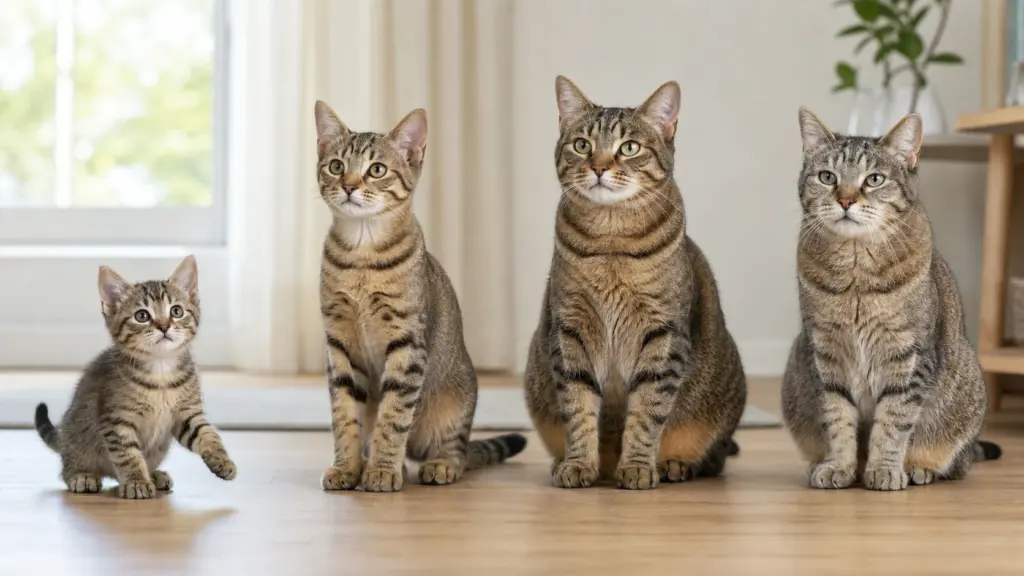
Indoor cats generally avoid many outdoor hazards, but they still need regular veterinary examinations and age-appropriate preventive care. The 2021 AAHA/AAFP Feline Life Stage Guidelines classify cats as kittens from birth to 1 year, young adults from 1 to 6 years, mature adults from 7 to 10 years, and seniors after 10 years. Care should change as the cat moves through these stages rather than waiting for obvious signs of illness.
Important Safety Note
A long lifespan depends partly on catching problems early. If your cat suddenly stops eating, hides more than usual, strains in the litter box, loses weight, drinks much more water, breathes abnormally, vomits repeatedly, collapses, or seems painful, contact a veterinarian promptly. Do not treat sudden behavior or appetite changes as normal aging without medical guidance.
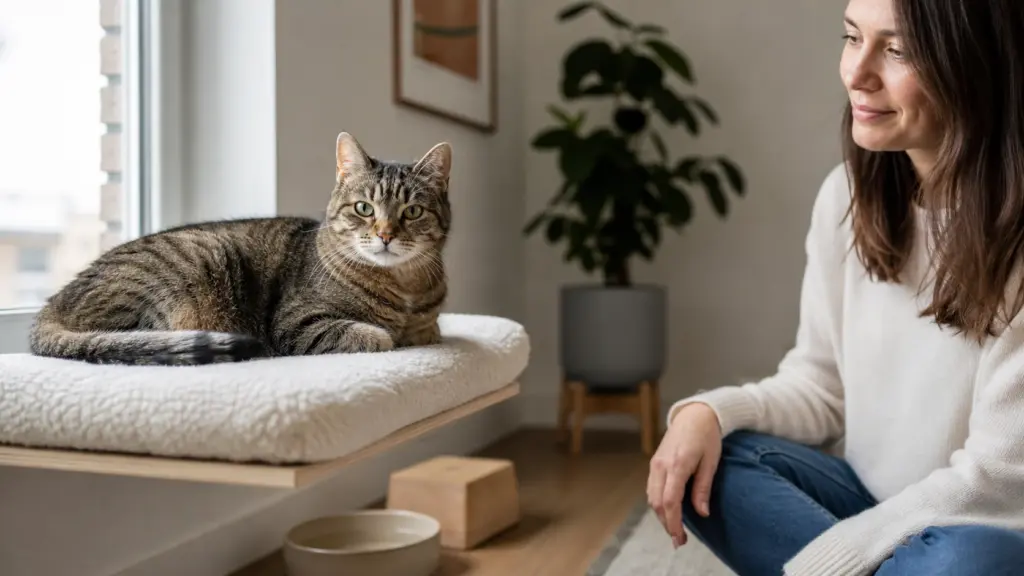
Table of Contents
How Long Do Indoor Cats Live?
An indoor cat’s lifespan cannot be predicted from one universal average. Many companion cats live well into their teens, and some reach their late teens or twenties. Living indoors can reduce exposure to traffic, predators, fights, harsh weather, and some infectious diseases, but it does not remove every health risk.
Longevity is shaped by factors that owners can influence and factors they cannot control. Genetics, congenital conditions, and unexpected illness may affect lifespan even when care is excellent. Preventive veterinary care, healthy body condition, dental health, appropriate nutrition, safe activity, stress reduction, and early recognition of illness can improve a cat’s opportunity for a longer and more comfortable life.
Indoor living also creates responsibilities. A cat that stays inside depends on the household for exercise, food portions, environmental variety, scratching and climbing opportunities, social security, clean litter boxes, and access to veterinary care. An indoor environment that is safe but sedentary, stressful, or calorie-heavy can contribute to obesity, muscle loss, boredom, and delayed recognition of disease.
Instead of focusing only on a target age, monitor the signs that reflect health and quality of life:
- stable body weight and muscle condition
- comfortable walking, jumping, and litter box access
- normal appetite and water intake
- predictable urination and bowel movements
- regular grooming
- interest in play, surroundings, and social contact
- comfortable breathing
- freedom from untreated pain
- timely veterinary examinations
For a practical preventive-care schedule, see our annual vet visit guide for indoor cats.
Indoor Cat Lifespan by Age Stage
A cat’s healthcare needs change with age. The 2021 AAHA/AAFP Feline Life Stage Guidelines divide the feline lifespan into four age-related stages: kitten, young adult, mature adult, and senior. These stages are more useful than converting cat years into “human years” because they help guide preventive care, nutrition, monitoring, and home adjustments.
Kitten: Birth to 1 Year
The kitten stage is a period of rapid physical, behavioral, and immune development. Preventive priorities may include examinations, vaccination, parasite-risk assessment, spaying or neutering discussions, nutrition, safe socialization, handling practice, and establishing comfortable carrier and veterinary-visit routines.
Kittens are curious and may chew or swallow string, ribbon, plants, medication, and other household objects. Secure windows and balconies, remove toxic plants, protect electrical cords, and keep small objects out of reach.
This stage also establishes habits that may influence lifelong health. Appropriate portions, varied play, positive handling, dental-care preparation, and predictable litter box access are easier to establish early than to introduce after a problem develops.
Contact a veterinarian promptly if a kitten stops eating, repeatedly vomits or has diarrhea, becomes unusually weak, develops breathing difficulty, or declines rapidly. Young cats can become dehydrated or seriously ill more quickly than healthy adults.
Young Adult: 1 to 6 Years
Young adult cats are often active and outwardly healthy, which can make preventive care seem less urgent. However, dental disease, obesity, urinary problems, skin disease, gastrointestinal conditions, anxiety, and other health issues can begin during these years.
Monitor body weight and body condition instead of judging health only by appearance. Gradual weight gain can be difficult to notice, especially in long-haired cats. Measure food portions, include treats in the daily total, and provide regular play and climbing opportunities appropriate to the individual cat.
Continue veterinary examinations even when the cat appears healthy. The veterinary team can monitor weight trends, teeth and gums, heart and lungs, skin and coat, mobility, vaccination needs, parasite exposure, and changes in behavior or litter box habits.
Mature Adult: 7 to 10 Years
Mature adult cats may still look and behave like younger cats, but this is an important stage for closer observation. Both weight gain and weight loss matter. Muscle condition, dental comfort, mobility, appetite, thirst, litter box output, grooming, and behavior should be reviewed regularly.
Subtle changes can be early signs of pain or disease. A cat that stops jumping may have arthritis rather than simply becoming lazy. A cat that begins sleeping in a different place may be avoiding stairs, noise, another pet, or an uncomfortable surface. Increased thirst, larger urine clumps, weight loss, recurring vomiting, bad breath, or reduced grooming should not be dismissed as ordinary aging.
Ask your veterinarian which screening tests are appropriate for your cat. Testing decisions should be individualized according to age, examination findings, medical history, medication, and changes observed at home.
Senior: Older Than 10 Years
AAHA and AAFP classify cats older than 10 years as senior. Senior status does not mean that illness is inevitable, and age itself is not a disease. Many senior cats remain active, social, and comfortable when medical problems are identified and managed appropriately.
Senior cats benefit from closer monitoring of:
- body weight and muscle loss
- appetite and swallowing
- thirst and urination
- stool consistency and constipation
- dental comfort
- jumping, walking, and stair use
- grooming and coat condition
- hearing and vision
- sleep and nighttime activity
- social behavior and cognitive changes
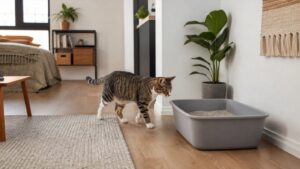
The home may need gradual adjustments. Low-entry litter boxes, nonslip walking surfaces, steps or ramps to favorite resting places, warm beds, easily reached food and water, and quiet private resources can help a senior cat remain independent.
Ask the veterinarian how often your senior cat should be examined. The appropriate schedule depends on health status and risk; some senior cats benefit from examinations more often than once a year. Sudden or persistent changes should be evaluated rather than saved for the next routine appointment.
How Indoor Living Changes Lifespan Risks
Indoor living can reduce exposure to traffic, wildlife, territorial fights, toxins, parasites, harsh weather, wounds, and some infectious diseases. That hazard reduction is an important safety advantage, but the studies cited here do not establish one universal indoor-versus-outdoor lifespan difference. Indoor status also does not remove risks from obesity, dental disease, chronic illness, inactivity, or delayed veterinary care.
But indoor life creates a different responsibility for the owner. The home has to provide what the outdoor world used to provide: movement, hunting-style play, environmental variety, safe resting places, scratching, climbing, sunlight, predictable food access, and low-stress routines.
A long-lived indoor cat usually has a home that supports both safety and normal feline behavior. Safety alone is not enough if the cat becomes inactive, overweight, bored, or chronically stressed.
Good indoor longevity care answers these questions:
- Can the cat move and climb comfortably?
- Can the cat eat without overeating?
- Can the cat drink enough water?
- Can the cat use the litter box without stress?
- Can the cat rest without being bothered?
- Can the owner notice health changes early?
- Can the veterinarian monitor problems before they become severe?
7 Factors That Affect Indoor Cat Lifespan
If you want to turn these lifespan factors into a practical routine, start with our indoor cat health prevention guide.
Factor 1: Preventive Veterinary Care
Regular veterinary care supports earlier recognition, baseline tracking, and management of feline health problems. The appropriate examination and testing schedule should be individualized by age, health, medication, findings, and risk.
Indoor cats still need veterinary care even if they never go outside. They can develop dental disease, kidney disease, diabetes, arthritis, thyroid disease, heart disease, obesity, urinary problems, and age-related changes. The difference is that many indoor cats show these problems quietly.
A yearly exam gives your veterinarian a chance to check body weight, body condition, teeth, gums, heart, lungs, abdomen, coat, mobility, hydration, and behavior changes. For senior cats, your veterinarian may recommend more frequent visits or screening tests depending on age, symptoms, and medical history.
Do not wait for obvious illness. Cats often hide pain or weakness because that is a survival behavior. By the time a cat visibly stops eating, hides constantly, breathes abnormally, strains to urinate, or loses a lot of weight, the problem may already be advanced.
Use vet visits as a prevention tool, not only an emergency response. For a practical schedule, see our annual vet visit indoor cat guide.
Factor 2: Healthy Weight
Healthy body and muscle condition are practical factors owners can monitor. Some indoor cats receive calorie-dense food, free-fed kibble, treats, or table food while having limited opportunities for movement. Over time, a repeated calorie surplus can contribute to weight gain.
Extra weight can affect comfort, mobility, grooming, breathing, inflammation, diabetes risk, arthritis strain, and overall quality of life. An overweight cat may sleep more, play less, avoid jumping, groom less thoroughly, and become less active. The owner may interpret this as “getting older,” when weight is part of the problem.
Weight control does not mean crash dieting. Cats should not lose weight too quickly, and sudden calorie restriction can be dangerous. A safe plan should be gradual and ideally guided by a veterinarian, especially if the cat is obese, senior, diabetic, or has other medical concerns.
At home, focus on portion control and consistency:
- measure meals instead of guessing
- limit treats to a small part of daily intake
- avoid frequent “just a little extra” feeding
- use play before meals to increase activity
- watch body shape, not only the number on the scale
- reassess portions after neutering, aging, or activity changes
If your cat is gaining weight indoors, pair this article with your indoor cat diet guide.
Factor 3: Diet and Hydration
Diet influences body weight, muscle condition, digestion, hydration, and the management of some urinary, dental, and chronic health conditions. The best diet is not automatically the most expensive one. It is a nutritionally appropriate diet that fits your cat’s age, body condition, medical needs, appetite, and daily routine.
For many indoor cats, the biggest diet mistake is not the brand. It is uncontrolled feeding. A bowl that is always full can work for some cats, but many indoor cats overeat when food is constantly available. Others eat too little if a dominant cat blocks access or if dental pain makes chewing uncomfortable.
Hydration also matters. Cats naturally have a low thirst drive compared with many animals, and some cats drink very little from a still water bowl. Wet food, fresh water stations, fountains, and clean bowls can all help, depending on the cat. Hydration is especially important for cats with urinary or kidney concerns, but diet changes for medical problems should be discussed with a veterinarian.
For longevity, evaluate diet through practical questions:
- Is my cat staying at a healthy body condition?
- Does my cat maintain muscle, especially along the back and hips?
- Is stool normal and consistent?
- Is urine output normal for this cat?
- Does my cat vomit frequently?
- Does my cat avoid hard food or chew on one side?
- Is one cat stealing another cat’s food?
- Is the diet appropriate for age and medical history?
A good diet supports the whole cat. It should help your indoor cat stay lean enough to move, nourished enough to maintain muscle, hydrated enough to support normal function, and satisfied enough to avoid constant begging.
Factor 4: Dental Health
Dental health is easy to underestimate, but it can affect comfort, appetite, grooming, behavior, and overall quality of life. Indoor cats can have painful dental disease even if they continue eating. Many cats simply chew on one side, swallow kibble whole, drop food, avoid certain textures, or become more irritable.
Common warning signs include bad breath, red gums, drooling, pawing at the mouth, dropping food, chewing strangely, refusing food, facial swelling, or sudden sensitivity around the head. But some cats show very few signs until disease is advanced.
Home care can help reduce plaque and support oral health, but it does not replace veterinary dental exams or professional treatment when disease is present. Dental treats, dental diets, gels, water additives, and brushing may be useful for some cats, but they should be chosen carefully. Products that add calories or stress may not be the right fit for every indoor cat.
Dental pain can reduce quality of life by affecting appetite, food choices, grooming, behavior, and tolerance of handling. For indoor cats, dental care belongs in the long-term health plan rather than being treated as an afterthought.
For a fuller routine, connect this section with your indoor cat dental health guide.
Factor 5: Daily Movement and Enrichment
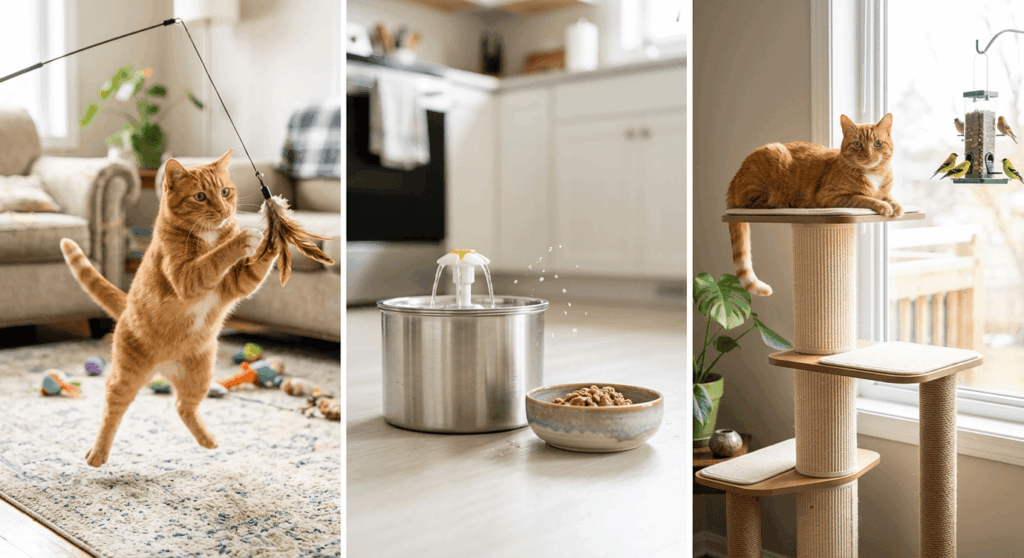
Indoor cats need movement to protect muscle, mobility, weight, digestion, confidence, and mental health. A cat does not need a huge home to stay active, but the home needs to offer reasons to move.
The best enrichment is not random toys scattered on the floor. It is predictable, repeatable, and matched to the cat’s instincts. Cats are built around hunting sequences: watch, stalk, chase, pounce, catch, eat, groom, and sleep. A few short play sessions that follow this rhythm can be more useful than leaving out toys the cat ignores.
Good movement options include:
- wand toy play
- food puzzles
- treat hunts
- climbing routes
- window perches
- scratching posts
- tunnels
- rotating toys
- short chase games
- gentle senior-friendly movement
For small apartments, vertical space matters. A cat tree, shelf, window perch, or safe furniture route can expand the usable territory without needing more floor space. For senior cats, movement should be easier: lower steps, non-slip surfaces, warm resting spots, and short play sessions.
A cat who moves well is more likely to maintain muscle, confidence, digestion, and normal routines. If your cat has become sedentary, start gently and build a realistic indoor cat exercise routine.
Factor 6: Stress Control
Stress can affect an indoor cat’s health, behavior, appetite, litter box habits, sleep, grooming, and social tolerance. A cat does not need to be visibly terrified to be stressed. Some cats show stress by hiding, overgrooming, overeating, undereating, guarding resources, peeing outside the box, chasing another cat, or becoming withdrawn.
Indoor cats depend on the home environment. Noise, visitors, construction, schedule changes, new pets, new babies, food competition, litter box conflict, blocked escape routes, and lack of resting privacy can all affect daily stress.
A low-stress home does not mean a silent home. It means the cat has predictable access to key resources:
- food
- water
- litter boxes
- resting spots
- scratching areas
- hiding places
- vertical routes
- owner attention
- safe distance from other animals
In multi-cat homes, stress often comes from resource pressure. One cat may block a hallway, guard food, control a window, or intimidate another cat without obvious fighting. The quieter cat may simply retreat and lose access.
Reducing chronic household stress supports normal behavior and reliable access to food, water, litter boxes, rest, and social space. A stable routine can also make changes easier to notice; in a chaotic environment, it may be harder to tell whether a cat is sick, anxious, under-stimulated, or blocked from resources.
Factor 7: Early Warning Sign Detection
The earlier you notice changes, the more options your veterinarian may have. Indoor cats often hide illness, so owners need to watch patterns rather than waiting for dramatic symptoms.
Track the basics:
- appetite
- thirst
- urination
- stool
- vomiting
- weight
- grooming
- jumping
- play
- hiding
- vocalizing
- social behavior
- sleep location
- breathing
- litter box habits
A single off day may not mean something serious, but patterns matter. A cat who slowly drinks more, loses weight, misses jumps, stops grooming, avoids dry food, hides after meals, or becomes irritable may be showing a medical change.
Weight tracking is especially useful. Many owners do not notice gradual weight loss until it is obvious. A small digital baby scale or regular vet weigh-ins can help. For senior cats, even small changes deserve attention.
Early detection is not about panicking. It is about knowing your cat’s normal. When you know the baseline, you can respond before a small problem becomes a crisis.
Indoor Cat Longevity Factor Table
| Longevity Factor | Why It Matters | What to Watch At Home | Helpful Next Step |
|---|---|---|---|
| Veterinary care | Finds problems early | Weight, teeth, heart, mobility, bloodwork needs | Schedule routine exams |
| Healthy weight | Protects mobility and metabolism | Body shape, begging, inactivity, weight gain | Measure meals and ask your vet for a safe target |
| Diet and hydration | Supports muscle, digestion, urinary health | Water intake, stool, vomiting, food preference | Match diet to age and health needs |
| Dental health | Affects pain, appetite, and comfort | Bad breath, drooling, dropping food, red gums | Add dental checks to routine care |
| Movement | Maintains muscle and confidence | Less jumping, less play, stiffness | Build short daily play sessions |
| Stress control | Supports behavior and normal routines | Hiding, guarding, litter box changes, overgrooming | Improve resource access and predictable routines |
| Early detection | Gives more time to act | Appetite, thirst, litter box, weight, grooming | Track small changes before they become severe |
How to Help an Indoor Cat Live Longer
Helping an indoor cat live longer is not about one supplement, food brand, or expensive product. It is about maintaining a small group of evidence-based routines and responding to changes early.
Use this practical checklist:
- Schedule preventive veterinary care according to your cat’s age, health, and individual risk.
- Keep vaccinations and parasite prevention appropriate to lifestyle, local laws, travel, and possible exposure.
- Feed measured portions and monitor both body weight and muscle condition.
- Provide fresh water in clean, accessible locations and discuss diet changes with your veterinarian when medical conditions are present.
- Check teeth and gums regularly and arrange veterinary dental care when pain or disease is suspected.
- Provide daily opportunities to walk, climb, scratch, chase, explore, and rest without disturbance.
- Distribute food, water, litter boxes, resting areas, and hiding places so one cat cannot block another cat’s access.
- Keep the home free from toxic plants, unsafe medication, string, unstable windows, and other preventable hazards.
- Record changes in appetite, thirst, urination, stool, vomiting, grooming, mobility, weight, breathing, sleep, and social behavior.
- Contact a veterinarian when a change is sudden, persistent, worsening, or accompanied by signs of pain or illness.
Consistency matters more than perfection. A routine that can be maintained for years is more valuable than a complicated plan that is abandoned after a few weeks.
The goal is not only a longer lifespan. It is a longer healthspan—the period during which the cat remains comfortable, mobile, interested in the environment, and able to perform normal daily activities.
Senior Indoor Cat Care
Senior indoor cats need comfort, monitoring, and easier access. A senior cat may still be playful and affectionate, but aging can change mobility, digestion, appetite, hearing, vision, sleep, grooming, and temperature preference.
Make the home easier:
- use low-entry litter boxes if jumping is harder
- add steps or ramps to favorite resting spots
- use non-slip mats on slick floors
- provide warm beds away from drafts
- keep water easy to reach
- offer multiple quiet resting places
- avoid sudden furniture changes when possible
- keep food and litter access predictable
Senior cats may need more frequent veterinary monitoring. Ask your veterinarian about weight trends, muscle condition, dental checks, bloodwork, blood pressure, thyroid screening, kidney markers, and arthritis assessment. The right plan depends on the individual cat.
Do not assume every change is “just old age.” Weight loss, increased thirst, vomiting, constipation, bad breath, missed jumps, confusion, night vocalizing, hiding, irritability, or litter box changes may have medical causes.
A senior cat’s goal is not only more years. It is more comfortable years.
Common Mistakes That Can Shorten Indoor Cat Lifespan
Indoor cats benefit from protection against many outdoor hazards, but several common assumptions can delay preventive care or allow health problems to progress.
1. Assuming an indoor cat has no health risks
Indoor cats can still develop obesity, dental disease, arthritis, kidney disease, diabetes, hyperthyroidism, urinary problems, parasites, heart disease, and stress-related conditions. Indoor status changes some risks; it does not remove the need for preventive care.
2. Waiting for obvious signs of illness
Cats may continue eating, walking, and interacting while hiding pain or disease. Gradual weight loss, increased thirst, larger urine clumps, reduced jumping, bad breath, recurring vomiting, or changes in grooming can be important early clues.
3. Feeding without monitoring body condition
A constantly full bowl can contribute to weight gain in some cats, while food competition or dental pain can cause another cat to eat too little. Measure portions, monitor weight and muscle condition, and make feeding decisions for the individual cat rather than the household as a whole.
4. Treating reduced mobility as normal aging
A cat that stops jumping, avoids stairs, sleeps in new locations, or misses the litter box may be experiencing pain or reduced mobility. Home adjustments can improve access, but the underlying change should also be discussed with a veterinarian.
5. Ignoring dental discomfort because the cat still eats
Cats with painful dental disease may continue eating by chewing differently, swallowing food with less chewing, or avoiding certain textures. Bad breath, drooling, red gums, dropped food, pawing at the mouth, or a sudden food preference change deserves veterinary attention.
6. Making too many changes at once
Abruptly changing food, feeding schedules, litter, furniture access, medication, and daily routines can create stress and make it difficult to identify what is helping. Introduce non-urgent changes gradually, keep clear records, and ask a veterinarian before changing a medical diet or prescribed treatment.
The most damaging mistake is assuming that a persistent change is simply part of the cat’s personality or age. When something remains different, document it and arrange an appropriate veterinary assessment.
When to Call a Veterinarian
Contact a veterinarian promptly if your indoor cat shows sudden or concerning changes, including:
- not eating
- repeated vomiting
- straining to urinate
- blood in urine
- breathing difficulty
- collapse
- severe hiding
- sudden weakness
- rapid weight loss
- drinking much more water
- painful movement
- facial swelling
- drooling with bad breath
- major litter box changes
- sudden aggression or confusion
For gradual changes, schedule a non-emergency visit rather than waiting months. Indoor cats often give quiet warnings before a problem becomes urgent.
Frequently Asked Questions
How long do indoor cats live on average?
There is no single average that applies to every indoor cat. Many indoor cats live into their teens, and some reach their late teens or twenties. Lifespan varies with genetics, location, early-life health, body condition, disease, preventive veterinary care, and lifestyle.
Can an indoor cat live for 20 years?
Yes. Some indoor cats live for 20 years or longer, but that outcome cannot be guaranteed. The practical goal is to reduce preventable risks and support comfort, mobility, nutrition, dental health, and timely medical care throughout the cat’s life.
Do indoor cats usually live longer than outdoor cats?
Indoor cats avoid many hazards associated with unsupervised outdoor access, including traffic, fights, predators, harsh weather, and some infectious disease exposure. However, comparisons vary by population and lifestyle, and indoor living alone does not guarantee longevity.
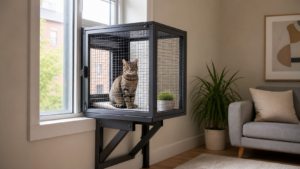
A secure outdoor enclosure, escape-proof catio, or supervised harness activity can provide controlled outdoor enrichment without the same level of unrestricted roaming risk.
At what age is a cat considered senior?
The 2021 AAHA/AAFP Feline Life Stage Guidelines classify cats older than 10 years as senior. Individual cats age differently, so healthcare decisions should also consider medical history, body and muscle condition, mobility, behavior, and examination findings.
Why is my older indoor cat losing weight?
Weight loss in an older cat is not something to dismiss as normal aging. Possible causes include dental disease, chronic kidney disease, hyperthyroidism, diabetes, gastrointestinal disease, cancer, pain, reduced sense of smell, medication effects, or difficulty reaching food.
Arrange a veterinary examination rather than attempting to correct unexplained weight loss simply by offering more food or supplements.
Is it normal for an indoor cat to sleep more with age?
Sleep patterns can change with age, but a sudden or substantial increase may be associated with pain, illness, reduced mobility, stress, obesity, hearing or vision changes, or cognitive decline.
Consider the complete pattern. A cat that sleeps more but still eats, grooms, moves comfortably, uses the litter box normally, and engages socially is different from a cat that is hiding, losing weight, avoiding movement, or becoming difficult to wake.
How can I assess my cat’s quality of life?
Look at comfort and normal daily function rather than age alone. Consider whether your cat can:
- eat and drink comfortably
- breathe without effort
- urinate and pass stool normally
- reach and use the litter box
- walk and rest without uncontrolled pain
- groom or accept necessary grooming help
- sleep comfortably
- interact with people, animals, and the environment in familiar ways
- experience more comfortable days than difficult days
Quality-of-life assessment is individualized. Ask your veterinarian for help if you are uncertain, especially when chronic disease, persistent pain, appetite loss, breathing changes, or declining mobility is present.
When should I call a veterinarian about aging changes?
Contact a veterinarian when a change is sudden, persistent, worsening, or affecting daily function. Important signs include appetite loss, unexplained weight change, increased thirst or urination, repeated vomiting, constipation, breathing difficulty, pain, reduced jumping, bad breath with eating changes, confusion, hiding, or altered litter box habits.
Breathing difficulty, collapse, seizures, inability to urinate, severe pain, suspected poisoning, or another rapid decline requires urgent or emergency veterinary care.
Final Thoughts
How long do indoor cats live? Many live well into their teens, and some reach their late teens or twenties, but indoor status alone cannot predict an individual cat’s lifespan.
Indoor living can reduce exposure to traffic, predators, fights, harsh weather, and some infectious diseases. Its full benefit depends on what happens inside the home: measured nutrition, healthy body and muscle condition, opportunities to move and express normal feline behavior, accessible resources, dental care, preventive veterinary examinations, and early attention to health changes.
Some influences on lifespan—including genetics, congenital conditions, and unexpected disease—cannot be controlled. Good care is not a promise that a cat will reach a particular age. It gives the cat a better opportunity to remain comfortable, active, and medically supported throughout life.
Pay attention to patterns rather than waiting for a crisis. Changes in weight, appetite, thirst, urination, stool, vomiting, grooming, mobility, breathing, sleep, or social behavior can provide useful early information.
The goal is not simply to add years to a cat’s life. It is to protect healthspan: the years in which the cat can move comfortably, use normal resources, interact with the environment, and enjoy a good quality of life.
References
- Quimby JM, Gowland S, Carney HC, et al. 2021 AAHA/AAFP Feline Life Stage Guidelines. Journal of the American Animal Hospital Association. https://www.aaha.org/aaha-guidelines/2021-aaha-aafp-feline-life-stage-guidelines/
- American Animal Hospital Association. 2021 AAHA/AAFP Feline Life Stage Guidelines: Life Stage Checklists. https://www.aaha.org/resources/2021-aaha-aafp-feline-life-stage-guidelines/life-stage-checklists/
- American Animal Hospital Association. 2021 AAHA Nutrition and Weight Management Guidelines: Nutritional Risk Factors. https://www.aaha.org/resources/2021-aaha-nutrition-and-weight-management-guidelines/nutritional-risk-factors/
- American Animal Hospital Association. 2023 AAHA Senior Care Guidelines for Dogs and Cats: Nutrition. https://www.aaha.org/resources/2023-aaha-senior-care-guidelines-for-dogs-and-cats/nutrition/
- Cornell Feline Health Center. Loving Care for Older Cats. https://www.vet.cornell.edu/departments-centers-and-institutes/cornell-feline-health-center/health-information/feline-health-topics/loving-care-older-cats
- Cornell Feline Health Center. The Special Needs of the Senior Cat. https://www.vet.cornell.edu/departments-centers-and-institutes/cornell-feline-health-center/health-information/feline-health-topics/special-needs-senior-cat
- Cornell Feline Health Center. Feline Dental Disease. https://www.vet.cornell.edu/departments-centers-and-institutes/cornell-feline-health-center/health-information/feline-health-topics/feline-dental-disease
- Teng KTY, Brodbelt DC, Church DB, O’Neill DG. Life tables of annual life expectancy and risk factors for mortality in cats in the UK. Journal of Feline Medicine and Surgery. 2024;26(5). https://pmc.ncbi.nlm.nih.gov/articles/PMC11156239/
- O’Neill DG, Church DB, McGreevy PD, Thomson PC, Brodbelt DC. Longevity and mortality of cats attending primary care veterinary practices in England. Journal of Feline Medicine and Surgery. 2015;17(2):125–133. https://pmc.ncbi.nlm.nih.gov/articles/PMC10816413/