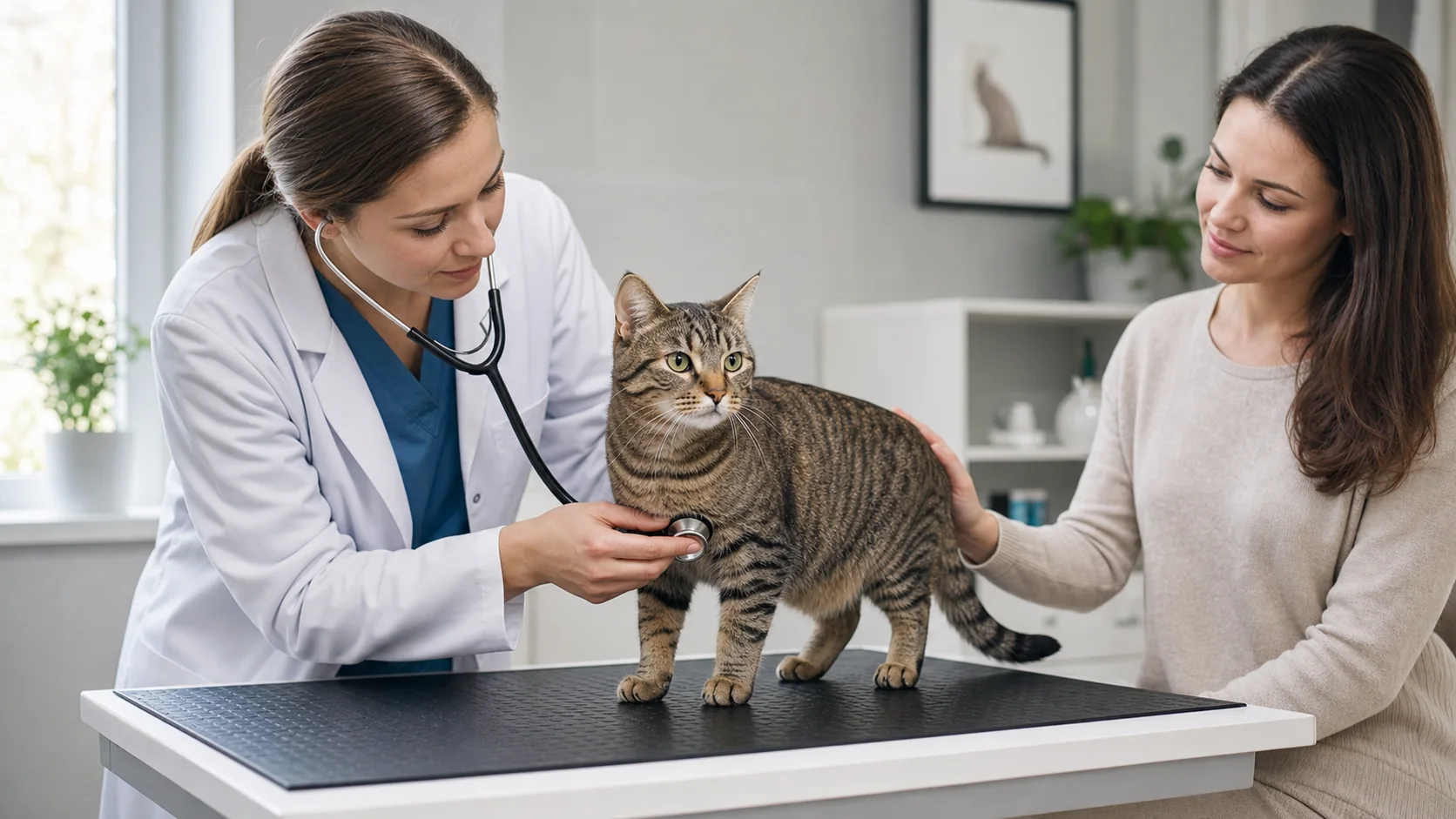
How often should indoor cats go to the vet? Most healthy adult indoor cats should receive a veterinary examination at least once a year. Senior cats generally benefit from examinations every six months, while kittens, cats with chronic conditions, and cats showing new symptoms need a schedule tailored by their veterinarian.
Living indoors lowers exposure to traffic, fights, harsh weather, and some infectious diseases. It does not prevent dental disease, obesity, arthritis, kidney disease, hyperthyroidism, diabetes, heart disease, urinary problems, parasites, or cancer. Indoor cats can also hide pain and illness surprisingly well, so a cat that appears normal at home may still have a developing health problem.
A regular veterinary visit is not merely an appointment for vaccines. It establishes a health baseline, tracks changes over time, and gives you a chance to discuss nutrition, dental care, mobility, behavior, parasite risk, vaccination, and appropriate screening tests. The right schedule depends on your cat’s age, medical history, lifestyle, and individual risks.
Quick Answer: How Often Should Indoor Cats Go to the Vet?
Use this schedule as a general starting point:
| Cat’s life stage or health status | Typical veterinary schedule |
|---|---|
| Kitten under 1 year | Multiple visits according to the kitten’s examination, vaccination, parasite-control, testing, and spay or neuter plan |
| Healthy young or mature adult | At least once every year |
| Senior cat over 10 years | Usually every six months |
| Cat with a chronic condition | As often as the treating veterinarian recommends |
| Cat taking long-term medication | Based on the condition, medication, and monitoring tests required |
| Cat with a new or worsening symptom | Prompt evaluation rather than waiting for the next wellness visit |
These intervals are not rigid rules for every cat. A veterinarian may recommend more frequent examinations because of weight change, dental disease, previous abnormal laboratory results, breed-related risk, medication use, travel, boarding, contact with other animals, or a change in behavior.
Do not wait for a routine appointment if your cat is struggling to breathe, collapses, cannot urinate normally, repeatedly strains in the litter box, has severe pain, experiences trauma, or declines rapidly. Contact a veterinarian or emergency veterinary service promptly for guidance.
Table of Contents
- Quick Answer
- Why Indoor Cats Still Need Regular Veterinary Visits
- What Happens During a Wellness Exam?
- Vet Visit Frequency by Life Stage
- 5 Reasons Your Cat May Need More Frequent Visits
- How to Prepare
- Reducing Visit Stress
- What to Monitor Between Visits
- When Not to Wait
- Frequently Asked Questions
- References
Why Indoor Cats Still Need Regular Veterinary Visits
The phrase “indoor cat” describes where a cat spends most of the day, not a complete medical risk profile. Two indoor cats can have very different needs. One may be a healthy three-year-old living alone in a secure apartment. Another may be a twelve-year-old with kidney changes, dental disease, and occasional contact with a dog that goes outdoors.
Indoor cats still face several important health risks.
Cats often conceal pain and illness
Cats evolved to avoid advertising weakness. Early changes may be subtle: sleeping in a different location, hesitating before jumping, eating more slowly, grooming less, hiding more often, or becoming unusually irritable. Owners may attribute these changes to personality or aging, especially when they develop gradually.
A veterinarian can combine your observations with a physical examination and the cat’s previous records. A small change may become more meaningful when it is compared with last year’s weight, muscle condition, dental findings, heart sounds, or laboratory results.
Indoor life does not eliminate common feline disease
Dental and periodontal disease can develop regardless of whether a cat goes outdoors. So can obesity, degenerative joint disease, endocrine disorders, kidney disease, urinary disease, and many other conditions.
The stable routine of indoor life can make gradual change difficult to recognize. If the cat uses the same bed, food station, and litter box every day, a slow decline in mobility or appetite can blend into the household routine.
Prevention should be matched to actual lifestyle
“Indoor only” does not always mean zero exposure. An indoor cat may escape through a door, sit beside an open window, share a home with pets that go outside, encounter a foster animal, visit a boarding facility, or travel. Fleas and other parasites can also enter a home on another animal or, in some circumstances, through the environment.
Vaccination and parasite-control decisions should therefore be based on an individualized risk assessment. Your veterinarian can consider age, health, geographic location, local law, contact with other animals, travel, boarding, and the likelihood of accidental escape.
Regular records reveal trends
A single weight measurement tells you what a cat weighs today. A series of measurements can show gradual gain, unexplained loss, or loss of muscle despite stable body weight. The same principle applies to dental findings, blood pressure, kidney values, thyroid testing, mobility, and behavior.
Consistent records are especially valuable because you may not notice a slow change when you see your cat every day.
What Happens During an Indoor Cat Wellness Exam?
The exact appointment varies by clinic and by cat. A useful wellness visit normally includes a medical history, a physical examination, a discussion of preventive care, and a plan for any testing or follow-up that is appropriate.
Medical and lifestyle history
Your veterinarian or veterinary nurse may ask about:
- the type and amount of food your cat eats
- treats, supplements, and medications
- appetite and water intake
- urination and stool habits
- vomiting, coughing, sneezing, or hairballs
- grooming and coat condition
- jumping, climbing, play, and general activity
- sleeping, hiding, vocalization, and social behavior
- changes in the home or relationships with other pets
- indoor, outdoor, travel, boarding, or escape exposure
- previous illnesses, test results, and treatment
Honest estimates are useful even if you do not have exact measurements. “The water bowl needs refilling more often,” “the urine clumps look larger,” or “she pauses before jumping onto the sofa” can give the veterinarian important context.
Nose-to-tail physical examination
Depending on the cat and the situation, the examination may include assessment of:
- body weight
- body condition score and muscle condition score
- eyes, ears, nose, and mouth
- teeth and gums
- heart and lung sounds
- skin and coat
- hydration
- abdomen
- thyroid area
- joints, spine, gait, and signs of pain
- lymph nodes and any unusual masses
- temperature when clinically appropriate
Not every part of an examination is obvious to the owner. For example, a veterinarian may detect a heart murmur, painful tooth, loss of muscle, enlarged thyroid gland, abdominal change, or limited joint movement before the cat shows a clear problem at home.
Preventive-care discussion
The appointment may also cover vaccination, parasite control, nutrition, dental care, weight management, environmental needs, identification or microchip information, reproductive status, behavior, and stress reduction.
The goal is not to perform every possible test or treatment at every visit. It is to select care that fits the individual cat.
Diagnostic testing when appropriate
A physical examination is valuable, but it cannot reveal every early disease. Depending on age and risk, a veterinarian may recommend blood tests, urinalysis, blood-pressure measurement, fecal testing, retrovirus testing, imaging, or another diagnostic procedure.
Screening recommendations should be individualized. Ask what a proposed test evaluates, why it is recommended now, what the results may change, and when it would need to be repeated.
Vet Visit Frequency by Life Stage
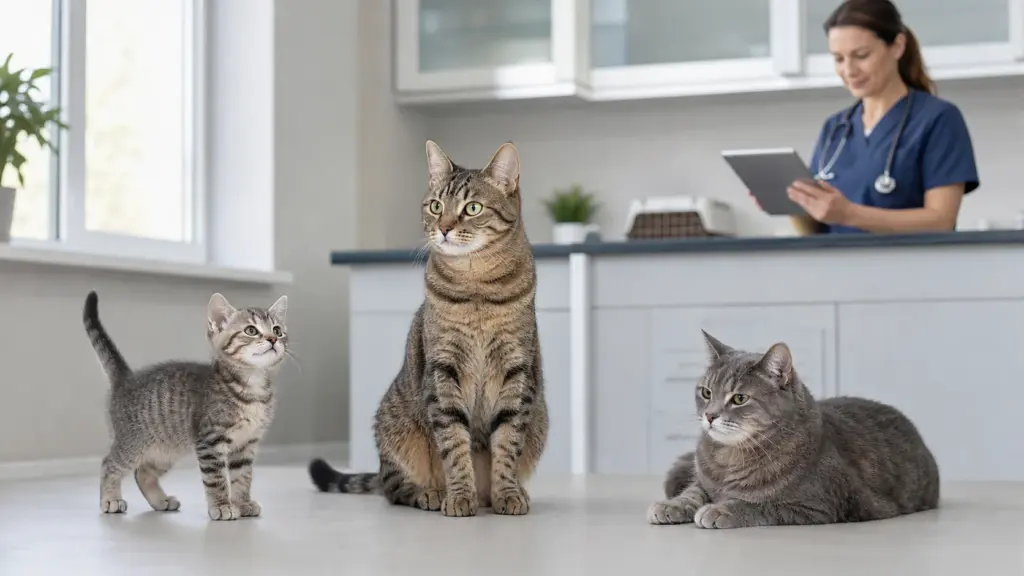
A cat’s age is one of the most important factors in deciding how often veterinary care is needed. The 2021 AAHA/AAFP Feline Life Stage Guidelines divide cats into kitten, young adult, mature adult, and senior stages and recommend care appropriate to each stage.
Kittens: several visits during the first year
Kittens require more than a single annual appointment. Their early schedule may include physical examinations, a vaccination series, parasite assessment and control, retrovirus testing when appropriate, nutrition guidance, identification, and a discussion of spaying or neutering.
The exact timing depends on the kitten’s age, health, origin, previous records, local disease risk, and vaccine products used. A newly adopted kitten with incomplete records may need a different plan from a kitten that has been receiving coordinated veterinary care since birth.
Early visits are also an opportunity to make future care less stressful. Ask the veterinary team to show you how to introduce gentle handling of the mouth, ears, feet, and body. Keep the carrier available at home rather than bringing it out only before a frightening trip.
Contact the clinic rather than waiting for the next scheduled kitten visit if the kitten stops eating, becomes markedly lethargic, develops repeated vomiting or diarrhea, has breathing difficulty, or shows another concerning change.
Young adult cats: at least once a year
Young adult cats may look healthy and energetic, which makes preventive visits easy to postpone. However, this is when a reliable baseline can be established. Weight gain, early dental disease, skin problems, digestive changes, inappropriate elimination, and behavior or environmental concerns may begin during these years.
An annual visit can address:
- healthy weight and muscle condition
- feeding amounts and activity
- oral examination and home dental care
- vaccination and parasite risk
- behavior and household stress
- litter box setup and elimination changes
- any new exposure from travel, boarding, or other pets
A cat with a previous abnormal finding or a new concern may need to return sooner than one year.
Mature adult cats: at least once a year, sometimes more often
As cats move through mature adulthood, veterinarians may place more emphasis on weight trends, muscle loss, oral health, pain, mobility, thyroid and kidney assessment, and changes in appetite or elimination.
This is also a useful time to discuss whether baseline laboratory testing is appropriate. The decision should reflect the cat’s age, examination findings, history, and risk—not simply a universal package applied to every patient.
If a mature cat is losing weight, drinking more, producing larger urine clumps, vomiting more often, struggling to jump, or changing behavior, make an appointment rather than waiting for the next annual examination.
Senior cats: usually every six months
The AAHA/AAFP life-stage guidance recommends examinations every six months for senior cats. Cats over 10 years can develop meaningful changes within a shorter period, and twice-yearly visits make it easier to review weight, muscle condition, blood pressure, dental health, pain, mobility, and age-associated disease risk.
Senior screening may include tests selected for the individual cat. Bloodwork and urinalysis can provide information that a physical examination alone cannot, while blood-pressure measurement may be important because hypertension can accompany several feline diseases.
Do not dismiss a senior cat’s reduced activity, night vocalization, irritability, litter box difficulty, poor grooming, or reluctance to jump as “just old age.” Aging itself is not a diagnosis. These changes can be associated with pain, sensory decline, cognitive changes, endocrine disease, kidney disease, urinary problems, or other treatable conditions.
Cats with chronic conditions or long-term medication
A cat being treated for kidney disease, diabetes, hyperthyroidism, heart disease, arthritis, urinary disease, allergies, cancer, or another chronic condition needs an individual monitoring plan. The frequency of visits and tests depends on whether the condition is stable, what medication is being used, and what must be monitored for safety and effectiveness.
Do not change a medication dose, discontinue treatment, or extend the monitoring interval without consulting the treating veterinarian. If cost, transportation, or stress makes the schedule difficult, explain the barrier. The veterinary team may be able to prioritize tests, coordinate procedures, discuss payment options, or offer strategies that make visits more manageable.
5 Reasons an Indoor Cat May Need More Frequent Vet Visits
An annual examination is a reasonable starting point for many healthy adult indoor cats, but it is not a universal maximum. The interval should become shorter when age, previous findings, medication, symptoms, or lifestyle changes increase the value of closer monitoring.
1. Your cat is senior or has previous abnormal results
Cats older than 10 years are classified as senior in the 2021 AAHA/AAFP Feline Life Stage Guidelines. Senior cats commonly benefit from examinations about every six months, particularly when the veterinarian is following weight, muscle condition, blood pressure, kidney values, thyroid results, mobility, or dental disease. A previous borderline result may also justify an earlier recheck even when your cat appears comfortable at home.
2. Your cat has a chronic condition or takes long-term medication
Kidney disease, diabetes, hyperthyroidism, heart disease, arthritis, urinary disease, and other chronic problems need an individualized follow-up schedule. Medication monitoring may require physical examinations, laboratory tests, blood-pressure checks, or dose adjustments at intervals set by the treating veterinarian. Do not stretch those intervals simply because the cat lives indoors or currently looks stable.
3. Weight, appetite, thirst, or litter box habits have changed
Unexplained weight loss, rapid weight gain, reduced appetite, increased thirst, larger urine clumps, constipation, repeated vomiting, or a new elimination problem should move the appointment forward. These changes do not identify one diagnosis, but they provide a clear reason for veterinary assessment instead of waiting for the next annual visit.
4. Dental, mobility, or behavior changes are appearing
Bad breath with eating changes, drooling, reduced grooming, missed jumps, stiffness, hiding, irritability, night vocalizing, or sudden clinginess can reflect pain or illness. Cats often continue familiar routines while compensating for discomfort. Record what changed and arrange an examination rather than labeling the change as stubbornness or normal aging.
5. Your cat’s exposure or household has changed
Boarding, travel, accidental escape, a new pet, foster animals, wildlife exposure, relocation, or a household outbreak can change vaccination, parasite-control, testing, and examination needs. Contact the clinic before travel or soon after a meaningful exposure so the plan can be based on the individual cat and local disease risk.
| What you observe | Best next step |
|---|---|
| Healthy adult with no new concerns | Keep at least an annual veterinary examination |
| Senior cat or previous borderline finding | Ask whether six-month examinations or earlier testing are appropriate |
| Chronic disease or long-term medication | Follow the treating veterinarian’s monitoring schedule |
| New persistent change | Arrange an earlier appointment instead of waiting for the routine visit |
| Breathing difficulty, collapse, inability to urinate, severe pain, trauma, or rapid decline | Seek urgent or emergency veterinary care |
How to Prepare for an Indoor Cat’s Vet Visit
Good preparation makes the appointment more informative and can reduce stress for both cat and owner.
Keep a short health record
Before the visit, write down:
- current food brands, formulas, and approximate daily amounts
- treats and supplements
- all medications, doses, and schedules
- appetite or water-intake changes
- vomiting, coughing, sneezing, or stool changes
- urine clump size, frequency, or litter box accidents
- recent weight measurements
- changes in jumping, walking, grooming, sleep, or social behavior
- questions you want answered
Bring medication containers or clear photographs of the labels. If multiple people care for the cat, ask whether anyone else has noticed a change.
Take useful photographs or videos
A short video may help document limping, coughing, abnormal breathing, unusual episodes, problems entering the litter box, or a behavior that disappears in the clinic. Do not delay urgent care while trying to obtain a recording.
Make the carrier part of normal life
Leave the carrier open in a quiet room with comfortable bedding. Place treats or toys near it and allow voluntary exploration. Avoid using the carrier only when something frightening is about to happen.
Practice should occur well before appointment day. Never chase, punish, or force repeated stressful sessions. Our cat carrier training guide explains how to build acceptance gradually.
Ask about severe travel or clinic anxiety in advance
Tell the clinic if your cat has previously panicked, become aggressive from fear, vomited during travel, or been impossible to examine. The team may suggest a quieter appointment time, changes to the waiting process, feline-friendly handling, or veterinarian-prescribed pre-visit medication when appropriate.
Never give a human sedative or another pet’s medication. Any pre-visit medicine must be prescribed for that cat with clear dosing instructions.
Prepare practical questions
Useful questions include:
- Is my cat’s weight and muscle condition healthy?
- Have the weight or examination findings changed since the last visit?
- Is there evidence of dental pain or disease?
- Which vaccines are due, and why?
- What parasite risks apply to this cat’s actual lifestyle?
- Is screening bloodwork, urinalysis, or blood-pressure measurement appropriate?
- Could a behavior or mobility change have a medical cause?
- What should I monitor at home?
- What findings would require an earlier recheck?
- When should the next examination occur?
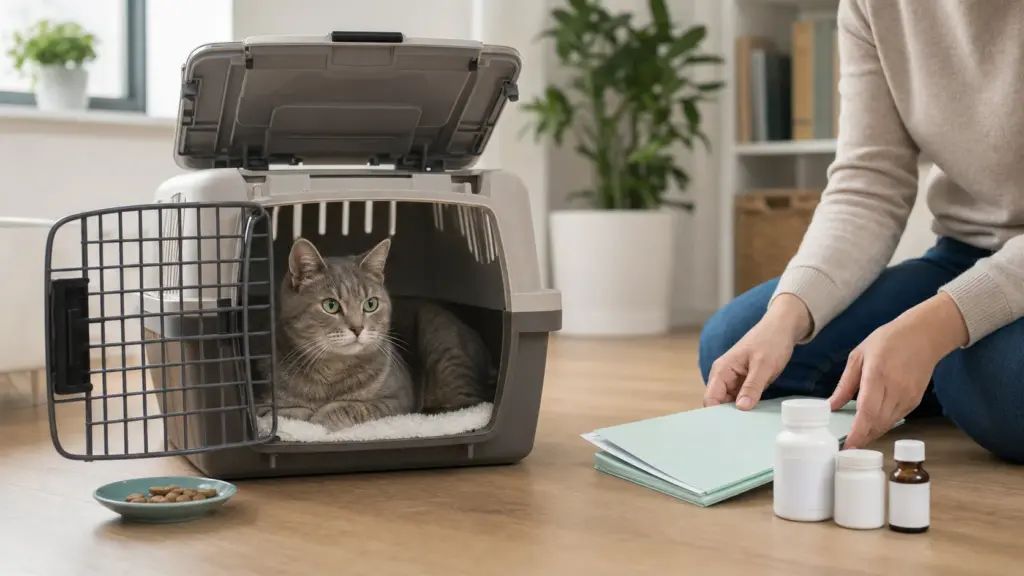
Reducing Stress Before, During, and After the Visit
Stress is a genuine barrier to feline veterinary care. A thoughtful plan can make necessary care easier without pretending every cat will become completely relaxed.
At home, keep the carrier familiar and use calm, reward-based practice. On appointment day, allow enough time so you do not need to chase the cat. Place familiar bedding in the carrier and secure it safely during transport. A light cover may reduce visual stimulation, provided airflow remains adequate.
In the clinic, tell staff what has helped or frightened your cat in the past. Some cats cope better when allowed to remain in the lower half of a removable-top carrier during part of the examination. The veterinary team should adapt handling to the cat’s behavior and safety needs whenever possible.
After returning home, provide a quiet place with easy access to water, food, and litter. In a multi-cat household, a returning cat may smell unfamiliar and trigger hissing or avoidance. A brief, calm separation may help while clinic odors fade. Contact the clinic if your cat has a concerning reaction, does not recover as expected, or you are uncertain about post-visit instructions.
What to Monitor Between Veterinary Visits
Home observation does not replace professional examination, but it helps you recognize change sooner. A short monthly check is usually more sustainable than a complicated daily record.
Monitor:
- body weight when weighing is safe and well tolerated
- appetite and interest in food
- water consumption
- urine clump size and frequency
- stool consistency and frequency
- vomiting pattern
- grooming and coat condition
- jumping, climbing, walking, and play
- sleeping location and social behavior
- breath odor and visible mouth discomfort
Look for trends rather than overreacting to one minor variation. Write down what changed and when. Our cat health check at home guide provides a structured observation routine.
Do not perform painful examinations, force the mouth open, or attempt to diagnose illness at home. Observation should be gentle and should stop if the cat becomes distressed.
When You Should Not Wait for the Next Checkup
A routine wellness schedule applies to cats that are stable. New symptoms deserve separate consideration.
Contact a veterinarian promptly if your cat develops appetite loss, repeated vomiting, unexplained weight loss, a major increase in thirst or urination, new pain, sudden behavior change, marked weakness, or a significant decline in movement or grooming.
Some signs may indicate an emergency. Seek immediate veterinary guidance for difficulty breathing, collapse, severe trauma, seizures, suspected poisoning, inability to urinate, or repeated straining with little or no urine. Urinary obstruction can become life-threatening, particularly in male cats.
When uncertain, call a veterinary clinic and describe exactly what you see. The clinic can advise how urgently the cat needs to be examined.
Common Mistakes to Avoid
Assuming an indoor cat has no health risks
Indoor housing changes risk; it does not remove the need for medical care. Dental disease, obesity, arthritis, kidney disease, endocrine disorders, urinary problems, and cancer are not prevented by staying inside.
Treating the appointment as a vaccine-only visit
Vaccines may be part of preventive care, but the medical history, physical examination, weight trend, oral assessment, pain evaluation, and lifestyle discussion are also important.
Waiting for obvious illness
Cats may compensate until disease is advanced. Regular examinations and careful observation are designed to identify subtle changes, not merely respond after a crisis develops.
Hiding important information
Tell the veterinarian about missed medication, difficulty following a diet, financial limits, travel problems, or severe clinic anxiety. Accurate information allows the team to propose a more realistic plan.
Leaving without understanding the plan
Before you leave, confirm medication instructions, follow-up timing, pending test results, warning signs, and the date or interval for the next visit. Ask for written instructions if necessary.
Frequently Asked Questions
Do indoor cats really need to go to the vet every year?
Yes. Most healthy young and mature adult indoor cats should receive a veterinary examination at least annually. Indoor cats still develop common feline diseases and may hide early symptoms. The veterinarian may recommend a different interval based on the individual cat.
How often should a senior indoor cat go to the vet?
Senior cats over 10 years generally benefit from examinations every six months. More frequent monitoring may be appropriate for a cat with a diagnosed condition, medication, abnormal test result, or new symptom.
Does a healthy indoor cat need bloodwork every year?
There is no single testing schedule appropriate for every cat. Recommendations depend on age, previous results, examination findings, symptoms, medications, and risk. Ask what each test is intended to detect and how the result could affect care.
Does an indoor cat need vaccines?
Indoor cats may still need core vaccines, and rabies vaccination may be legally required depending on location. Other vaccines are selected according to lifestyle and exposure risk. Your veterinarian should review the cat’s health, history, local rules, and possible contact with other animals.
What if my cat is terrified of the veterinarian?
Do not simply abandon preventive care. Tell the clinic before the appointment and ask about carrier training, quieter scheduling, feline-friendly handling, waiting outside the lobby, or veterinarian-prescribed pre-visit medication. Begin carrier practice well before the next visit.
How much does a routine cat vet visit cost?
Costs vary substantially by country, region, clinic, and services provided. The examination fee may not include vaccines, laboratory testing, medication, imaging, or dental treatment. Ask the clinic for an estimate and request that optional and priority recommendations be explained separately.
Should I go sooner if my cat seems different?
Yes. A wellness schedule is not a reason to postpone evaluation of a new symptom. Contact a veterinarian if you notice meaningful changes in appetite, thirst, urination, stool, vomiting, breathing, movement, grooming, weight, or behavior.
The Bottom Line
How often should indoor cats go to the vet? Healthy young and mature adult cats should generally be examined at least once a year, while senior cats usually benefit from visits every six months. Kittens, cats with chronic illness, cats taking long-term medication, and cats with new symptoms need individualized schedules.
The value of a regular visit extends far beyond vaccination. It creates a medical baseline, tracks weight and muscle, assesses teeth and mobility, reviews lifestyle risks, and connects subtle changes at home with professional examination findings.
Between visits, keep simple notes about appetite, water intake, litter box habits, weight, grooming, movement, and behavior. Bring those observations to the appointment and ask when the next examination should occur. A clear partnership between owner and veterinary team gives an indoor cat the best opportunity for problems to be recognized and addressed early.
For a broader prevention plan that connects veterinary care, home monitoring, dental health, weight, vaccines, and early warning signs, see our indoor cat health prevention guide.
References
- Quimby J, Gowland S, Carney HC, et al. 2021 AAHA/AAFP Feline Life Stage Guidelines. Journal of Feline Medicine and Surgery. 2021;23(3):211–233. https://doi.org/10.1177/1098612X21993657
- American Animal Hospital Association. 2021 AAHA/AAFP Feline Life Stage Guidelines. https://www.aaha.org/resources/2021-aaha-aafp-feline-life-stage-guidelines/feline-life-stage-home/
- American Animal Hospital Association. Feline Life Stage Checklists. https://www.aaha.org/resources/2021-aaha-aafp-feline-life-stage-guidelines/life-stage-checklists/
- American Animal Hospital Association. Frequency of Veterinary Visits. https://www.aaha.org/frequency-of-veterinary-visits/
- American Animal Hospital Association. Diagnostic Tests and Recommended Frequencies for Senior Dogs and Cats. https://www.aaha.org/resources/2023-aaha-senior-care-guidelines-for-dogs-and-cats/diagnostic-tests-and-recommended-frequencies-for-senior-dogs-and-cats/