I used to be skeptical. I’ll admit it openly, because I think my skepticism was probably shared by most of the indoor cat owners reading this right now. Pet insurance felt like a product designed to monetize anxiety — an unnecessary monthly expense for a cat who never goes outside, never fights with other animals, and spends the majority of their life in a temperature-controlled apartment doing absolutely nothing dangerous.

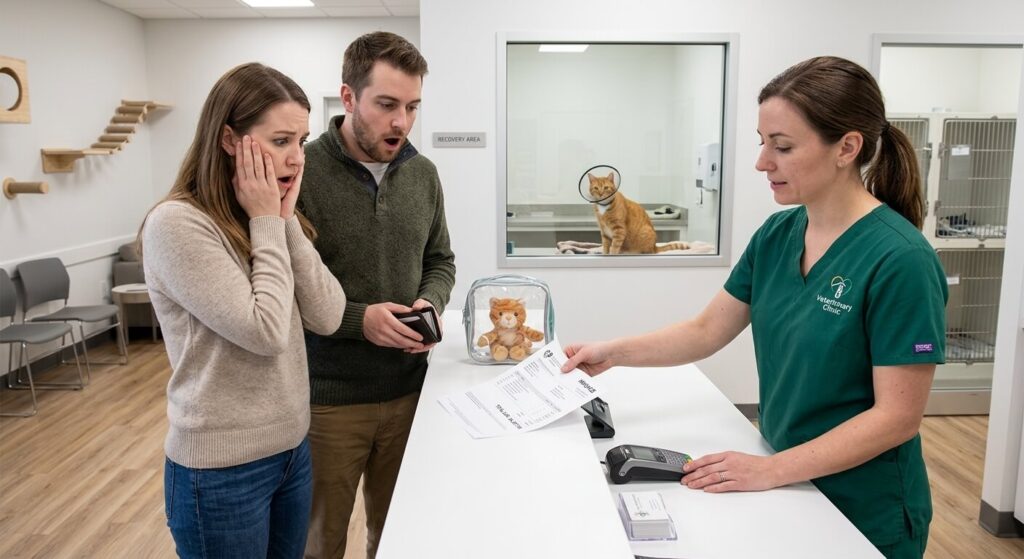
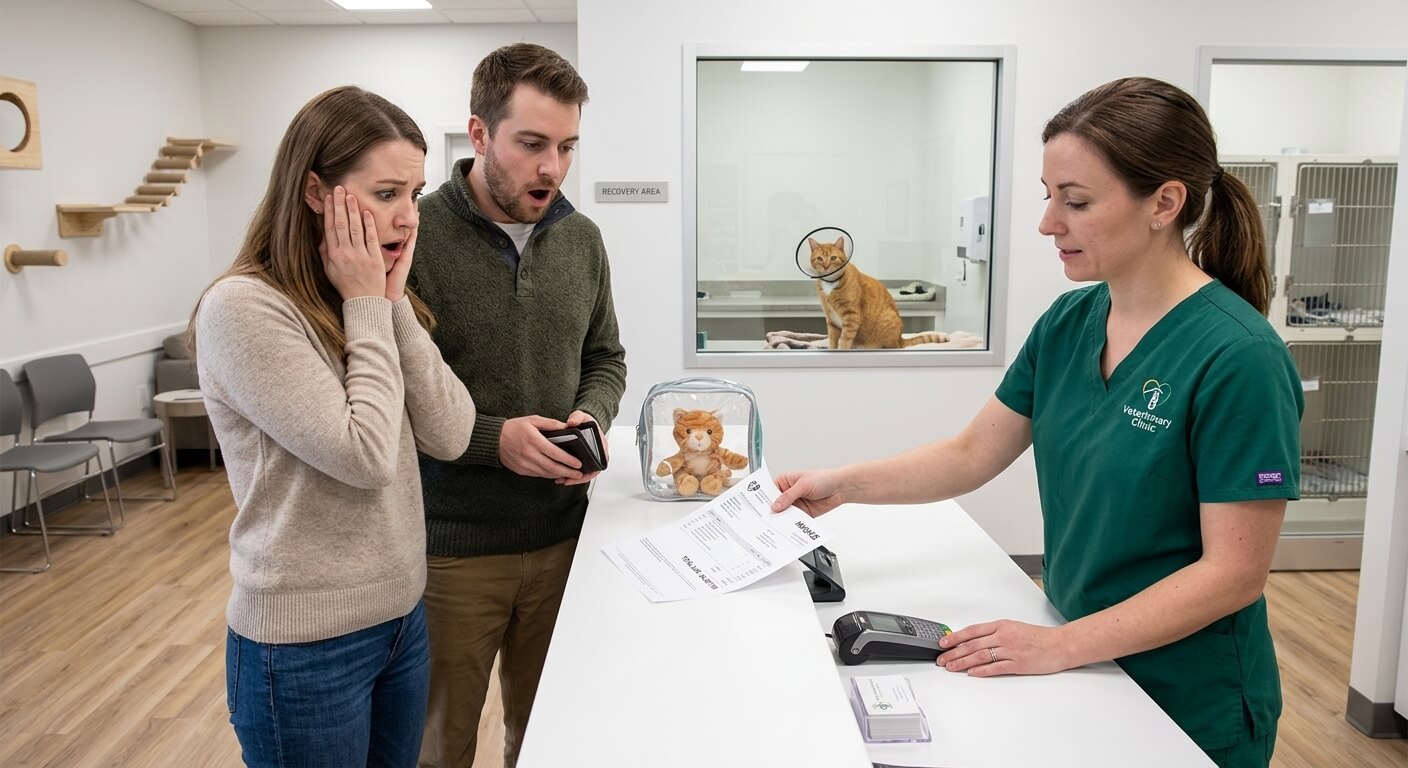
That comfortable assumption shattered for me on a Tuesday afternoon when I handed a $4,500 invoice to a couple whose two-year-old indoor cat had swallowed a three-inch piece of dental floss. Linear foreign body surgery, two nights of hospitalization, post-operative care. The cat survived beautifully. Their emergency fund did not.

That moment — and the dozens of similar moments I’ve witnessed in the years since — is why I now answer the question is pet insurance worth it for indoor cats with an unqualified, evidence-based yes. Because “indoor safety” is not the financial protection most owners believe it to be, and as a veterinary technician, I have watched that illusion cost families tens of thousands of dollars they didn’t have.


Quick Answer: Is Pet Insurance Worth It for Indoor Cats?

Yes, is pet insurance worth it for indoor cats — absolutely. Pet insurance covers non-outdoor risks like kidney disease, cancer, dental emergencies, and foreign body ingestion. While indoor cats avoid cars and predators, they are prone to expensive chronic illnesses that can cost $10,000+ over a cat’s lifetime. Early enrollment is critical.


The ‘Indoor Safety’ Illusion: What Actually Kills Apartment Cats

Let me dismantle the most expensive myth in cat ownership: the belief that keeping a cat indoors means keeping them safe from serious — and seriously costly — medical emergencies.

What Indoor Cats Are Protected From

To be fair, indoor living does confer genuine, meaningful health protections:

  • Trauma from vehicles: The leading cause of acute feline mortality in outdoor cats
  • Predator attacks: Dogs, coyotes, birds of prey
  • Infectious disease transmission: FIV, FeLV, respiratory viruses spread through contact with infected cats
  • Parasite burden: Significantly reduced exposure to fleas, ticks, and intestinal parasites
  • Toxin exposure: Outdoor herbicides, pesticides, and toxic plants in unknown environments
  • Fighting injuries: Bite wounds, abscesses — common and expensive in outdoor/feral contact cats

These protections are real, and they do extend average feline lifespan. Indoor cats live an average of 12–18 years; outdoor cats average 2–5 years. The longevity argument for indoor living is solid.

What Indoor Cats Are Not Protected From

And here is where the illusion breaks down — because the conditions that actually generate the largest veterinary bills are almost entirely unrelated to outdoor exposure:

ConditionOutdoor Risk Factor?Average Treatment Cost
Chronic Kidney Disease❌ No$3,000–$8,000+ lifetime
Hyperthyroidism❌ No$1,500–$4,000+ lifetime
Diabetes Mellitus❌ No$2,000–$6,000+ lifetime
Alimentary Lymphoma❌ No$5,000–$15,000+
Dental Disease❌ No$800–$3,000 per procedure
Foreign Body Ingestion❌ No$2,500–$6,000
Urinary Obstruction❌ No$2,000–$5,000
Inflammatory Bowel Disease❌ No$2,000–$10,000+ lifetime
High-Rise Syndrome❌ No (indoor fall)$3,000–$10,000+
Hypertrophic Cardiomyopathy❌ No$3,000–$12,000+

Every single condition on that list is as likely — in several cases, more likely — to occur in a pampered indoor cat as in any other. The indoor environment doesn’t prevent disease. It simply substitutes one risk profile for another.

The Longevity Paradox

Here’s the cruel irony that makes is pet insurance worth it for indoor cats such an important question: the very longevity that indoor living provides also increases the statistical probability of developing expensive age-related diseases.

An indoor cat who lives to 16 has many more years to develop chronic kidney disease, hyperthyroidism, or cancer than an outdoor cat who lives to 5. The protected life is a longer life — and a longer life means more accumulated medical costs.

The math is straightforward: if your indoor cat lives 15 years and develops even one significant chronic condition — which statistics suggest is more likely than not for cats over age 10 — you are looking at lifetime veterinary costs that can comfortably exceed $15,000–$20,000.

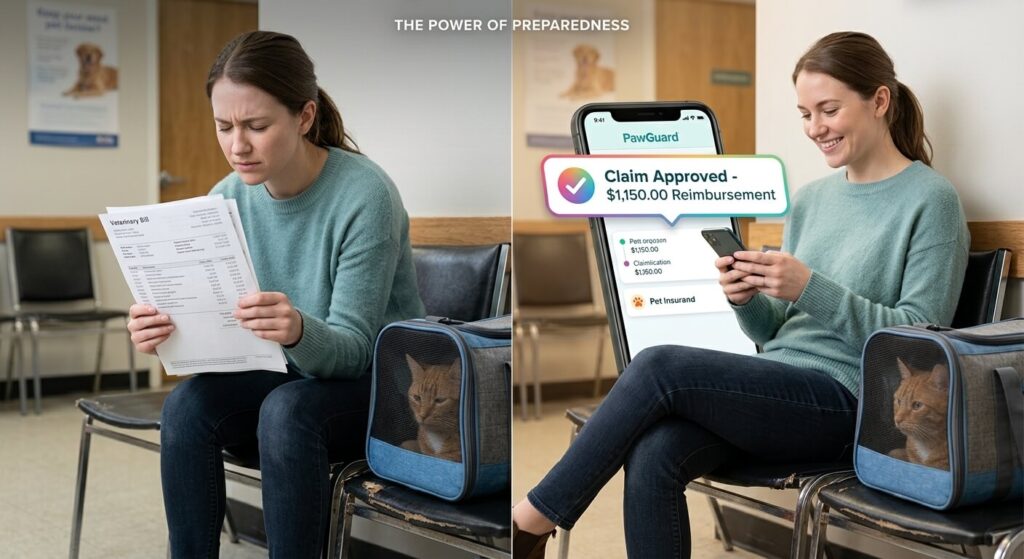
Pet insurance converts that unpredictable, potentially catastrophic expense into a manageable, predictable monthly payment. That is its fundamental value proposition, and it is why the question of is pet insurance worth it for indoor cats deserves serious financial consideration from every cat owner.


5 Reasons Why Pet Insurance Is Mandatory for Indoor Cats

I use the word “mandatory” deliberately. After years in veterinary medicine, I no longer think of pet insurance as optional financial planning for indoor cat owners — I think of it as basic responsible pet ownership infrastructure. Here’s why.


🔴 Reason #1: Linear Foreign Bodies — The Indoor-Specific Emergency

The dental floss story that opened this article is not unusual. It is Tuesday in a veterinary clinic.

Linear foreign bodies — string, thread, tinsel, ribbon, rubber bands, hair ties, twist ties — are among the most dangerous and most expensive emergencies in feline medicine, and they are almost exclusively an indoor cat problem. Why? Because indoor cats, bored and playful, interact constantly with household objects that their outdoor counterparts never encounter.

Why linear foreign bodies are so catastrophic:

When a cat ingests a linear foreign body, one end typically anchors at the base of the tongue or at the pylorus (stomach outlet). As the intestines attempt to move the material through via normal peristalsis, the string doesn’t pass — instead, the intestine “bunches up” along the string’s length, like a gathered curtain on a curtain rod.

The intestinal tissue, bunched and compressed, rapidly loses blood supply. Within hours to days, intestinal perforation occurs. Septic peritonitis follows. The mortality rate without immediate surgical intervention approaches 100%.

The cost breakdown:

  • Emergency examination and diagnostics (radiographs, ultrasound): $400–$800
  • Surgical exploration and foreign body removal: $2,000–$4,000
  • Intestinal resection and anastomosis (if required): Add $1,000–$2,500
  • Hospitalization (2–5 days ICU level): $500–$1,500 per day
  • Post-operative medications and rechecks: $300–$600

Total realistic cost: $3,500–$9,000+

And the objects that cause this emergency are everywhere in an indoor cat’s environment: the string on your hoodie, the ribbon on last week’s birthday present, the hair tie that fell behind the bathroom counter. No amount of supervision catches everything. Insurance catches the bill.


🔴 Reason #2: The CKD and Diabetes Trap — Chronic Disease and Pre-existing Conditions

This is the reason that makes is pet insurance worth it for indoor cats not just a financial question but a timing question — because the window to get meaningful coverage for the most expensive feline conditions is narrower than most owners realize.

Chronic Kidney Disease (CKD) affects an estimated 30–40% of cats over age 10. It is progressive, incurable, and requires lifelong management including:

  • Prescription renal diets
  • Regular bloodwork (every 3–6 months in managed cases)
  • Fluid therapy (subcutaneous fluids, often administered at home)
  • Phosphorus binders, ACE inhibitors, antihypertensives
  • Erythropoiesis-stimulating agents for anemia management
  • In advanced cases: hospitalization for acute crisis management

The lifetime management cost for a cat diagnosed with CKD at age 11 and managed for 3–5 years to end of life: $5,000–$15,000+

[Chronic Kidney Disease Cats Signs: 7 Lifesaving Warning Indicators] — Chronic Kidney Disease is the quintessential Pre-existing Conditions trap in pet insurance. The critical point that every cat owner must understand is this: if you do not have insurance enrolled before the first clinical sign appears — excessive thirst, weight loss, vomiting — that condition will be classified as pre-existing and excluded from coverage permanently. Our detailed guide on CKD explains why early detection matters, and early insurance enrollment is its financial equivalent.

The same logic applies to Diabetes Mellitus. Once a cat has been diagnosed — or even had an elevated blood glucose noted in a medical record — diabetes becomes a Pre-existing Condition excluded from any new policy. The lifetime cost of insulin, glucose monitoring supplies, and veterinary monitoring for a diabetic cat: $2,000–$8,000+.

The pre-existing condition window is not generous:

Most insurers define a Pre-existing Condition as any illness, injury, or symptom that:

  • Was diagnosed before the policy start date, OR
  • Showed clinical signs (even if undiagnosed) before the policy start date, OR
  • Was noted in veterinary records before the policy start date

This means that even an incidental blood glucose elevation noted at a routine wellness visit — before any formal diabetes diagnosis — can create grounds for exclusion. The earlier you enroll, the cleaner your cat’s health slate, and the more comprehensive your coverage.


🔴 Reason #3: High-Rise Syndrome — The Apartment-Specific Trauma

Here is the indoor cat risk that most apartment dwellers never consider until it happens — and when it happens, the bills are staggering.

High-Rise Syndrome is the clinical term for the pattern of injuries sustained by cats who fall from significant heights — typically windows, balconies, or building ledges. And it is, by definition, an indoor/apartment cat risk that has nothing to do with outdoor exposure.

The paradox of High-Rise Syndrome is that cats falling from intermediate heights (2–6 stories) sometimes sustain more severe injuries than cats falling from greater heights (7+ stories). This is because cats require approximately 60–100 feet to reach their terminal velocity and achieve the physiological “righting reflex” — spreading their limbs to increase air resistance and reduce impact force. Falls from 2–3 stories may not allow enough time for full reflex activation.

Typical High-Rise Syndrome injury profile:

  • Thoracic trauma: Pneumothorax, pulmonary contusions, rib fractures
  • Facial injuries: Hard palate fractures, dental fractures, epistaxis (nose bleeds)
  • Limb fractures: Radius/ulna, femur, pelvis
  • Abdominal injuries: Bladder rupture, splenic laceration (less common)
  • Neurological injuries: Spinal cord involvement in high-impact cases

Cost of High-Rise Syndrome treatment:

  • Emergency stabilization, radiographs, oxygen therapy: $800–$1,500
  • Thoracic drainage (pneumothorax): $500–$1,500
  • Orthopedic repair (fractures): $2,000–$6,000 per fracture
  • Hospitalization (3–7 days): $400–$1,200 per day
  • Specialist consultation (internal medicine, neurology, orthopedic surgery): $300–$600 per consult

Total realistic cost: $4,000–$15,000+

And the prevention? A screen on the window. But screens fail, windows are opened by guests, and balconies exist. Every apartment cat with window or balcony access has some degree of High-Rise Syndrome risk, regardless of how careful the owner is.


🔴 Reason #4: Dental Disease — The Silent Budget Destroyer

Dental disease is the most prevalent health condition in domestic cats, affecting an estimated 50–90% of cats over age 4 according to veterinary dental specialists. And it is one of the most consistently underinsured conditions in the feline population, because many owners don’t think of dental care as “medical care” until the bill arrives.

Why indoor cats are particularly vulnerable:

  • Indoor diets (particularly dry food) may not provide the mechanical abrasion that raw feeding advocates claim for dental health
  • Longer lifespans mean more cumulative years of plaque and calculus accumulation
  • Indoor cats are more frequently and more carefully examined — dental disease gets noticed

The cost of feline dentistry:

ProcedureTypical Cost
Professional dental cleaning (COHAT) under anesthesia$400–$900
Dental radiographs (full mouth)$150–$400
Simple tooth extraction$100–$300 per tooth
Surgical extraction (multi-rooted or fractured)$250–$500 per tooth
Full mouth extraction (severe stomatitis)$1,500–$3,000
Feline Tooth Resorption treatment$300–$600 per affected tooth
Post-operative pain management$100–$250

A cat with moderate periodontal disease requiring 4–6 extractions plus a cleaning and radiographs can easily generate a $1,500–$2,500 single-visit bill. A cat with chronic stomatitis requiring full-mouth extraction is looking at $2,500–$4,000.

The insurance nuance: Standard accident and illness policies often have limited or excluded dental coverage. Dental coverage is frequently:

  • Included only for dental illness (periodontal disease, tooth resorption, stomatitis)
  • Excluded for “preventive” or “routine” dental cleaning
  • Subject to a separate sub-limit

When evaluating whether is pet insurance worth it for indoor cats in terms of dental coverage, read the dental section of any policy extremely carefully and compare how dental illness is defined across providers.


🔴 Reason #5: Cancer — The Diagnosis No One Is Ready For

The word nobody wants to hear in the exam room. And yet it is one of the most important reasons to ask is pet insurance worth it for indoor cats, because feline cancer is common, treatment is expensive, and the decisions you can make are profoundly shaped by your financial resources.

Feline cancer statistics:

  • Cancer is the leading cause of death in cats over age 10
  • Lymphoma is the most common feline cancer, accounting for approximately 30% of all feline malignancies
  • Mammary carcinoma — highly malignant in cats; approximately 85–90% of feline mammary tumors are malignant
  • Squamous Cell Carcinoma (SCC): Common in the oral cavity and on sun-exposed skin
  • Intestinal adenocarcinoma, fibrosarcoma, mast cell tumors: All documented with meaningful prevalence

The cost of feline oncology:

Treatment TypeTypical Cost
Oncology specialist consultation$250–$500
Staging (CT scan, bone marrow biopsy, lymph node aspirates)$1,500–$3,000
Chemotherapy (per protocol, 6–12+ months)$5,000–$15,000
Radiation therapy (per course)$6,000–$20,000
Surgical oncology (mass removal, specialist)$3,000–$8,000
Palliative care and pain management (end-stage)$500–$2,000

A cat diagnosed with lymphoma and treated with the CHOP chemotherapy protocol — the gold standard — may require $8,000–$15,000 in treatment costs over the course of their survival time. With insurance, that treatment is a decision you make based on your cat’s prognosis and quality of life. Without insurance, it is a decision you make based on your bank balance.

That distinction matters enormously — both for the cat and for the owner who has to live with whatever decision they make.


How to Read a Policy Like a Vet Tech (Deductibles, Reimbursement %, and Exclusions)

Most pet insurance policies are designed to be purchased quickly and read slowly — if ever. As a veterinary technician who has helped clients file claims and navigate coverage disputes, here is exactly what to analyze before signing up.

The Four Core Variables

1. Annual Deductible

The amount you pay out-of-pocket before insurance reimbursement begins.

Deductible TypeHow It WorksBest For
Annual deductibleOne deductible per policy year, regardless of conditionsCats with multiple conditions; most cost-effective
Per-condition deductibleSeparate deductible for each new conditionCan be cheaper for cats with single acute events; expensive for multiple chronic conditions

For chronic disease management — the primary value proposition for indoor cats — an annual deductible structure is almost always more financially advantageous.

Typical range: $100–$1,000 annually. Higher deductible = lower premium; choose based on your emergency fund capacity.


2. Reimbursement Percentage

The percentage of eligible costs the insurer pays after your deductible is met.

Reimbursement %What You PayBest For
70%30% of eligible costsLower premiums; manageable for fit pet owners
80%20% of eligible costsThe most common “balanced” choice
90%10% of eligible costsMaximum coverage; higher premium

For major surgical or oncological events, the difference between 70% and 90% reimbursement on a $10,000 bill is $2,000 out-of-pocket. On a modest monthly premium difference of $15–$25, the higher reimbursement percentage can pay for itself in a single significant claim.


3. Annual Coverage Limit

The maximum the insurer will pay out in any single policy year.

LimitSuitable For
$5,000Basic accidents; inadequate for chronic disease or oncology
$10,000Reasonable for most single events; tight for cancer treatment
UnlimitedThe gold standard — no ceiling on coverage

My recommendation: choose unlimited annual coverage if budget allows. The conditions that generate the largest bills — cancer, multi-system disease, specialist care — are precisely the ones most likely to exceed a $10,000 annual limit.


4. Waiting Periods

The period after policy enrollment during which claims for certain conditions will not be paid.

Condition TypeTypical Waiting Period
Accidents24–48 hours
Illness (general)14–30 days
Orthopedic conditions6–14 days (varies widely)
Cruciate ligament disease6–12 months (some providers)

Waiting Periods mean that enrolling the day before your cat shows symptoms is ineffective. Enroll when your cat is young and healthy — before any condition has had an opportunity to develop during a waiting period and be classified as Pre-existing Conditions.


Understanding Exclusions

Pre-existing Conditions:

The most financially significant exclusion in any policy. A Pre-existing Condition is any condition that existed — or showed clinical signs — before the policy’s coverage start date. Some insurers distinguish between:

  • Curable pre-existing conditions: (e.g., a resolved upper respiratory infection) — may become eligible for coverage after a symptom-free period (typically 12–24 months)
  • Curative vs. Chronic distinction: This is critical. A Curative vs. Chronic classification determines whether a pre-existing condition can ever be covered. Chronic, incurable conditions (CKD, diabetes, IBD) are typically permanently excluded once identified.

Other common exclusions to read carefully:

  • Bilateral conditions (some policies exclude the second side if one side was pre-existing)
  • Elective procedures
  • Breeding and pregnancy-related costs
  • Behavioral conditions (varies by provider)
  • Prescription food (even if therapeutic — most policies exclude this)
  • Supplements and compounded medications (varies)
  • Preventive care (unless wellness add-on purchased)

Wellness Add-Ons: Are They Worth It?

Most standard policies cover accidents and illnesses only. Wellness add-ons extend coverage to preventive care:

  • Annual wellness examinations
  • Vaccinations
  • Flea/tick/heartworm prevention
  • Spay/neuter
  • Dental cleaning (preventive)

[Does My Indoor Cat Really Need Annual Vet Visits? (Yes, Here’s Why)] — Standard accident and illness plans focus on unexpected medical events, while wellness add-ons specifically help cover the indoor cat vaccination schedule and preventive care protocols we’ve detailed in our comprehensive vaccination guide. Whether the wellness add-on is cost-effective depends on your specific preventive care spending — calculate your annual preventive costs and compare to the add-on premium before committing.


Top Providers Compared (2025)

ProviderUnlimited CoverageReimbursement OptionsDental IllnessHereditary ConditionsNotable
TrupanionYes90% fixedYesYesPer-condition deductible; direct vet pay
FigoYes70/80/90%YesYesStrong app; fast claims
EmbraceYes70/80/90%YesYesDiminishing deductible reward
ASPCA Pet InsuranceYes70/80/90%YesYesBehavioral coverage included
Lemonade$100K max70/80/90%LimitedYesFastest claims processing
MetLifeYes70/80/90%YesYesGroup discounts available

Premiums and coverage details change frequently — always verify directly with the provider.


The Financial Truth: Is Pet Insurance Worth It for Indoor Cats?

Let me do the math that answers is pet insurance worth it for indoor cats in the most concrete terms possible.

Scenario 1: The Healthy Cat (Best Case for NOT Insuring)

Oliver’s profile: 7-year-old neutered male, indoor, no significant health history.

  • Average monthly premium (comprehensive plan, $250 deductible, 90% reimbursement, unlimited): ~$35–$55/month
  • Annual premium cost: $420–$660
  • Over 10 years (ages 7–17): $4,200–$6,600 total premiums paid
  • If Oliver remains perfectly healthy: Net “loss” of $4,200–$6,600

This is the scenario insurance skeptics point to. And it is a legitimate scenario — some cats genuinely sail through life with minimal veterinary costs.

Scenario 2: One Foreign Body Emergency (Typical)

  • Premium paid over 2 years before event: $840–$1,320
  • Foreign body surgery bill: $4,500
  • Deductible paid: $250
  • Insurance pays (90%): $4,250 × 0.90 = $3,825
  • Total owner pays: $250 (deductible) + $1,320 (premiums) = $1,570
  • Without insurance: $4,500
  • Net savings with insurance: $2,930

Scenario 3: CKD Diagnosis at Age 11 (Chronic Disease)

  • Premiums paid from age 2 to age 11 (9 years): $3,780–$5,940
  • Annual CKD management cost: $2,500–$4,000/year
  • Management period: 4 years (age 11–15)
  • Total CKD costs without insurance: $10,000–$16,000
  • Insurance pays (90% after $250 annual deductible):
    • Year 1: ($2,750 – $250) × 0.90 = $2,250 back
    • Years 2–4: ($3,000 – $250) × 0.90 = $2,475/year × 3 = $7,425
    • Total insurance reimbursement: ~$9,675
  • Total owner pays: Premiums ($5,940) + Deductibles ($1,000) = $6,940
  • Without insurance: $16,000
  • Net savings with insurance: $9,060

Scenario 4: Lymphoma Diagnosis at Age 12

  • Premiums paid from age 2 to age 12 (10 years): $4,200–$6,600
  • Lymphoma diagnosis and CHOP chemotherapy: $12,000
  • Insurance pays: ($12,000 – $250) × 0.90 = $10,575
  • Total owner pays: $250 (deductible) + $6,600 (premiums) = $6,850
  • Without insurance: $12,000
  • Net savings with insurance: $5,150

The Honest Bottom Line

The only scenario in which pet insurance is definitively not cost-effective is the scenario where your cat lives a long, perfectly healthy life with zero significant medical events. Every other scenario — a single emergency, a chronic condition, a cancer diagnosis — produces meaningful positive financial return on the insurance investment.

And here is the professional reality I’ve observed in clinic: the probability that an indoor cat living 12–18 years will experience zero significant medical events is, statistically, very low. We are not insuring against an unlikely disaster. We are insuring against the highly probable medical realities of feline longevity.

The question is not whether your cat will need expensive veterinary care. The question is whether you’ll have the resources to say yes when they do.


Frequently Asked Questions

❓ What Does Pet Insurance for Indoor Cats NOT Cover?

Understanding exclusions is as important as understanding coverage when evaluating is pet insurance worth it for indoor cats. Here’s what most standard policies will not cover:

Almost universally excluded:

  • Pre-existing Conditions: Any condition with signs or diagnosis before policy start date — this is the most significant exclusion and the primary reason for early enrollment
  • Preventive and routine care: Annual wellness exams, vaccinations, flea prevention, spay/neuter (unless wellness add-on purchased)
  • Prescription food: Even therapeutic renal diets, diabetic diets, and GI diets are typically excluded — the food itself is not a covered medical expense
  • Grooming: Professional grooming, nail trims, dental cleaning for prevention (not illness)
  • Elective procedures: Declawing (where still legal), cosmetic procedures
  • Breeding and pregnancy: Costs related to intentional breeding, pregnancy, and whelping

Commonly excluded or limited:

  • Dental disease: Some policies exclude dental illness entirely; others cover it with sub-limits. Read carefully.
  • Behavioral conditions: Anxiety, OCD-related behaviors — some providers cover with riders, most do not
  • Supplements and vitamins: Even veterinarian-recommended supplements are rarely covered
  • Compounded medications: Some policies exclude compounded drugs; relevant for cats on customized dosing formulations
  • Alternative therapies: Acupuncture, hydrotherapy, chiropractic — varies widely by provider
  • Bilateral conditions: If one knee/hip/eye was pre-existing, the other side may be excluded

The critical read: Always request a sample policy document before purchasing — not the marketing summary, the actual policy terms. The exclusions section is where the real financial picture lives.


❓ When Is the Best Time to Buy Cat Insurance?

The best time to buy pet insurance was the day you brought your cat home. The second best time is today.

This is not a marketing platitude — it is clinical reality. Here’s why timing matters so dramatically when considering is pet insurance worth it for indoor cats:

The enrollment age advantage:

  • Premiums are lowest for kittens and young adult cats
  • The health slate is cleanest — no conditions have had time to develop and create Pre-existing Conditions exclusions
  • Waiting Periods are completed before the cat reaches the age of higher disease risk
  • Congenital and hereditary conditions noted early in life may be excluded — early enrollment before documentation of these conditions is critical

The enrollment timeline I recommend:

Cat AgeInsurance StatusRisk
Kitten (8 weeks – 6 months)Enroll now — optimal timingLowest premiums; cleanest health history
Young adult (1–3 years)Enroll now — excellent timingStill low risk; premiums affordable
Middle-aged (4–7 years)Enroll urgently — window narrowingPremiums rising; some conditions may appear
Senior (8–10 years)Enroll if possible — limited optionsPremiums significantly higher; exclusions likely
Geriatric (11+ years)Difficult — most providers limit enrollmentMany conditions pre-existing; limited value

Most pet insurance providers have enrollment age cutoffs (typically 10–14 years) and will not issue new policies to cats above those ages. Once your cat has a documented illness, that condition is permanently excluded.

The window for comprehensive, cost-effective coverage is open now — and it closes incrementally with every passing month and every veterinary visit that adds to your cat’s medical record.


❓ Is Pet Insurance Worth It for Indoor Cats with Dental Issues?

Yes — but only if you choose a policy that explicitly covers dental illness with meaningful limits.

Dental coverage is the most variable element across pet insurance providers, and the distinction between what’s covered and what isn’t is critically important.

The dental coverage spectrum:

  • No dental coverage: Some budget providers exclude dental entirely. Avoid these if dental disease is a concern — and it should be for any cat over age 4.
  • Dental accident only: Covers fractured teeth from trauma but not periodontal disease, tooth resorption, or stomatitis. Insufficient for indoor cats.
  • Dental illness coverage: Covers diagnosed dental diseases including periodontal disease, feline odontoclastic resorptive lesions (tooth resorption), and stomatitis. This is what you need.
  • Comprehensive dental with sub-limit: Covers dental illness up to a specified annual sub-limit (often $500–$1,000). Evaluate whether this sub-limit is adequate for your cat’s likely dental needs.
  • Full dental illness with no sub-limit: The gold standard for dental coverage; rare but available.

Is pet insurance worth it for indoor cats specifically for dental purposes? Run this calculation:

If your indoor cat requires a dental cleaning plus extractions every 2–3 years (conservatively $1,200–$2,000 per episode), and your policy covers dental illness after your deductible at 80–90% reimbursement, the dental coverage alone can generate positive return on premium investment over a 5–7 year period.

The key is enrolling before dental disease is documented in your cat’s medical records — because periodontal disease noted at any prior veterinary visit can create a pre-existing exclusion for all future dental disease claims.


Scientific References

  1. North American Pet Health Insurance Association (NAPHIA). (2024). State of the Industry Report 2024. NAPHIA. Retrieved from https://naphia.org/industry-data/state-of-the-industry-report/
  2. American Veterinary Medical Association (AVMA). (2022). AVMA Pet Ownership and Demographic Sourcebook. AVMA. https://doi.org/10.2460/avma.sourcebook.2022

A Final Confession from Oliver’s Owner

Oliver is insured. He has been since I brought him home, because I spent enough time in the clinic watching uninsured owners make impossible decisions to know that I never wanted to be in that position myself.

I have handed invoices to people who had to choose between their cat’s life and their rent. I have watched owners decline chemotherapy for a cat with a treatable cancer because the math simply didn’t work. I have seen the specific, particular grief that comes not just from losing a pet, but from wondering whether a different financial decision could have changed the outcome.

That’s what is pet insurance worth it for indoor cats really means, beneath all the actuarial calculations and policy comparisons. It means that when Oliver eventually needs something expensive — and statistically, he will — the answer I give my veterinarian will be based on what’s best for him, not on what’s left in my savings account.

That peace of mind has a dollar value. For me, it’s worth every premium.


Disclaimer: This article is written by a certified veterinary technician for educational and informational purposes only. It does not constitute financial or insurance advice. Policy terms, premiums, and coverage vary significantly between providers and change over time. Always read the full policy documentation and consult directly with insurance providers before making purchasing decisions.


Tags: is pet insurance worth it for indoor cats | cat insurance 2025 | pet insurance review | indoor cat health costs | feline insurance | cat chronic disease | pet financial planning | cat wellness | apartment cat care

Share this post

Subscribe to our newsletter

Keep up with the latest blog posts by staying updated. No spamming: we promise.
By clicking Sign Up you’re confirming that you agree with our Terms and Conditions.

Related posts