By IndoorCatExpert.com | A cat parent who almost dismissed fountains entirely — until Oliver’s vet said something that stopped me cold.
I’ll be honest: when I first saw cat water fountains on a pet store shelf, I rolled my eyes. Thirty, forty, sometimes sixty dollars for a glorified bowl with a pump? It felt like the pet industry had found yet another way to separate anxious cat owners from their money. I bought Oliver a plain ceramic bowl, kept it filled, and called it a day.
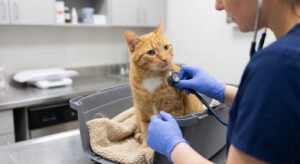
Then his vet mentioned, almost casually, that feline urinary tract blockages can cost $1,500–$3,000 in emergency surgery — and that chronic dehydration is the single most preventable driver of feline lower urinary tract disease (FLUTD).
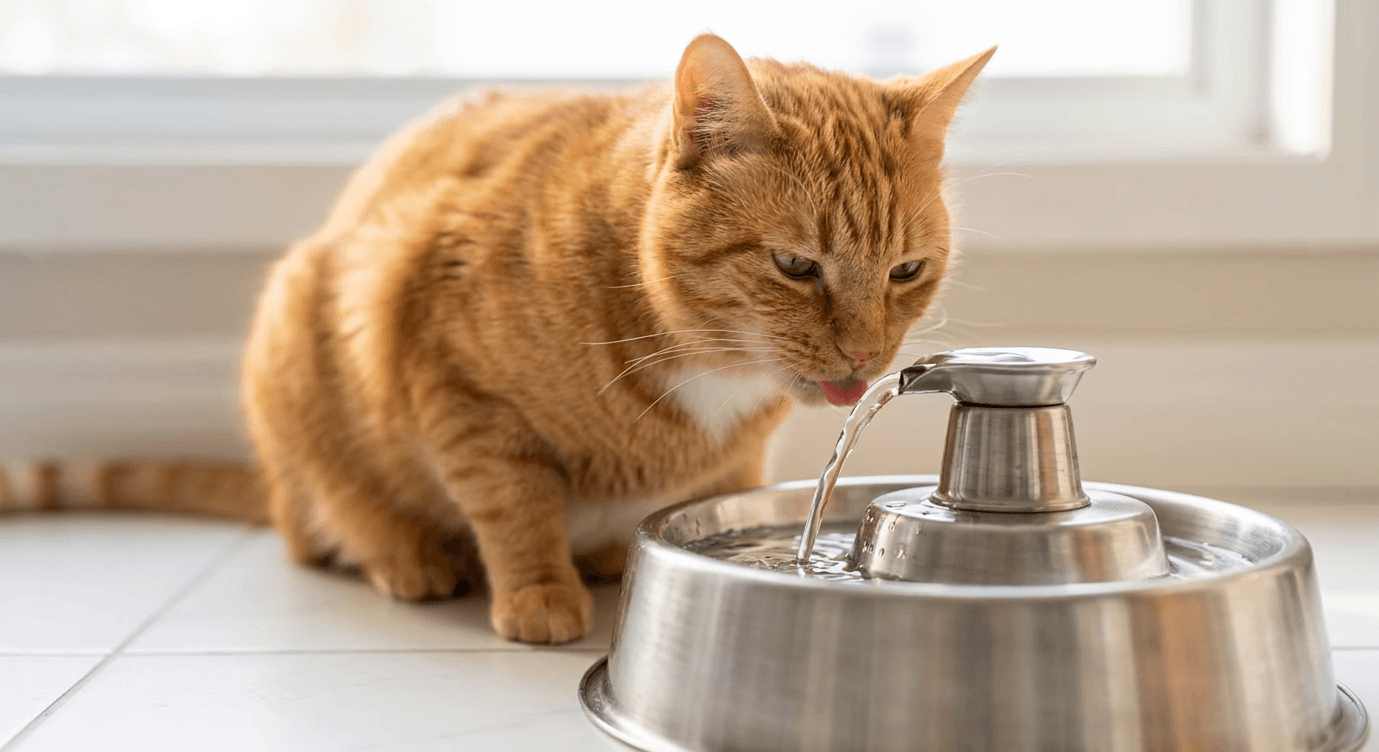
She asked me one question: “Does Oliver drink from his bowl regularly?” I realized I had never actually watched him do it. If you’re wondering about real cat water fountain benefits, let me save you the research. That afternoon, I started digging into the science with the kind of urgency that only a near-miss health scare can produce. What I found genuinely surprised me — and changed what sits next to Oliver’s food bowl permanently.
Quick Answer
The primary cat water fountain benefits include significantly increased daily water intake, which directly prevents deadly urinary tract disease and chronic kidney disease. Evolutionarily, cats are hardwired to distrust stagnant water and are naturally drawn to the sound, movement, and freshness of flowing, oxygenated water. A fountain addresses all three instinctive triggers simultaneously.
The Evolutionary Biology of Thirst (Why Your Cat Ignores Their Water Bowl)
This is the piece of the puzzle I was completely missing.
Domestic cats (Felis catus) evolved from African wildcats (Felis silvestris lybica) — desert-dwelling predators who survived in environments where standing water was frequently contaminated with bacteria, parasites, and decomposing organic matter.
Over thousands of years, natural selection favored cats who viewed still, stagnant water with suspicion. Moving water, by contrast, is biologically reliable:
- It’s continuously oxygenated, which inhibits bacterial growth
- It’s fed by an active source, meaning it’s less likely to be a breeding ground for pathogens
- Its sound signals proximity, allowing prey animals (and dehydrated cats) to locate it efficiently
This instinct didn’t vanish when cats moved into our apartments. Your cat isn’t being dramatic when they paw at the water bowl, drink from a dripping faucet, or refuse to touch water that’s been sitting for a day. They’re following four million years of survival programming.
There’s another layer to this: cats also have an extraordinary ability to concentrate urine, a biological adaptation that originally allowed them to extract maximum hydration from their prey. The trade-off is that their thirst drive is inherently weak compared to dogs or humans.
They were never designed to seek out a water bowl proactively. In the wild, they got most of their moisture from fresh prey — roughly 70–75% water content per meal. This is why a dry-fed, bowl-watered indoor cat is operating against its own biology in two simultaneous ways.
Medical Cat Water Fountain Benefits: Preventing UTIs & Kidney Disease
Let me put some numbers on this, because the medical reality is stark.
Feline Lower Urinary Tract Disease (FLUTD)
FLUTD is an umbrella term covering several conditions — urinary crystals, bladder inflammation (idiopathic cystitis), urethral plugs, and bladder stones — that affect the lower urinary tract. According to veterinary epidemiological data:
- FLUTD affects approximately 1–3% of cats seen in veterinary practice annually, making it one of the most common reasons cats visit the vet
- Male cats are at significantly higher risk of life-threatening urethral obstruction due to their narrower urethra
- A complete urethral blockage becomes fatal within 24–48 hours without emergency intervention
Chronic low water intake is consistently identified as a primary risk factor across the peer-reviewed literature. The mechanism is straightforward: when a cat is chronically dehydrated, their urine becomes highly concentrated.
Concentrated urine is the ideal environment for mineral crystals — particularly struvite and calcium oxalate — to form. Those crystals aggregate into stones or plugs that can obstruct the urethra. More water in = more dilute urine = dramatically lower crystal formation risk.
Chronic Kidney Disease (CKD)
CKD is the leading cause of death in cats over ten years old, affecting an estimated 30–40% of cats over fifteen years of age, according to the International Society of Feline Medicine. The kidneys require adequate hydration to flush waste products and function effectively.
Chronic low-grade dehydration, sustained over years, accelerates the nephron damage that drives CKD progression. There is no cure for CKD. There is only management, supportive care, and — critically — prevention through lifelong adequate hydration.
I think about this every time I hear Oliver lapping from his fountain. It’s not just refreshment. It’s long-term organ protection.
4 Proven Cat Water Fountain Benefits for Indoor Cats
Let’s move from biology and disease prevention to the specific, practical advantages that research and veterinary practice support.
1. Measurably Higher Daily Water Intake
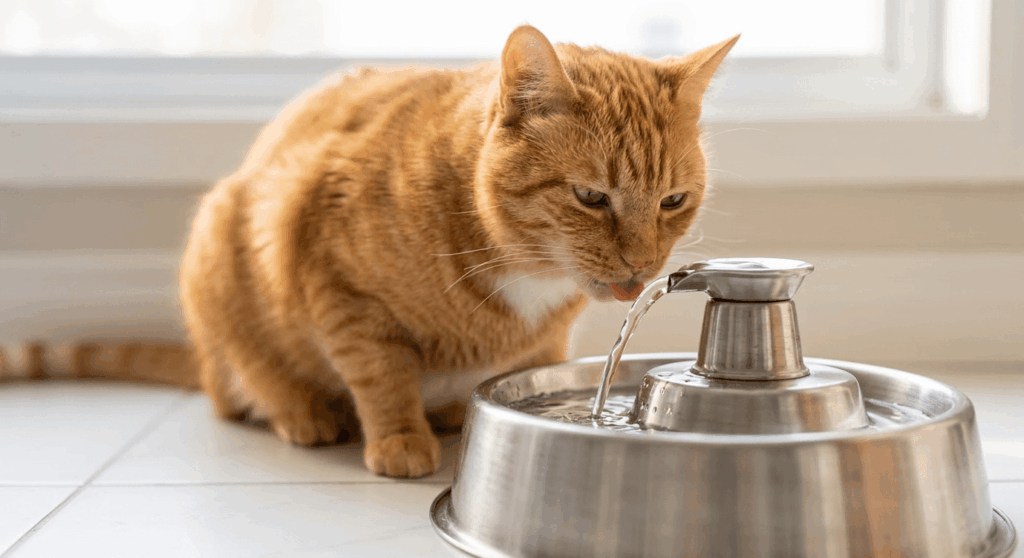
This is the cornerstone benefit. Multiple observations from veterinary nutritionists and comparative hydration studies show that cats drink 50–70% more water when provided with a flowing water source versus a static bowl.
The reasons are layered:
- Movement catches the eye — cats are visual predators, and a flowing stream is more attention-grabbing than a still surface
- Oxygenated water tastes fresher — dissolved oxygen improves palatability
- The sound triggers approach behavior — cats associate running water sounds with safe drinking sources evolutionarily
2. Continuous Filtration Keeps Water Cleaner
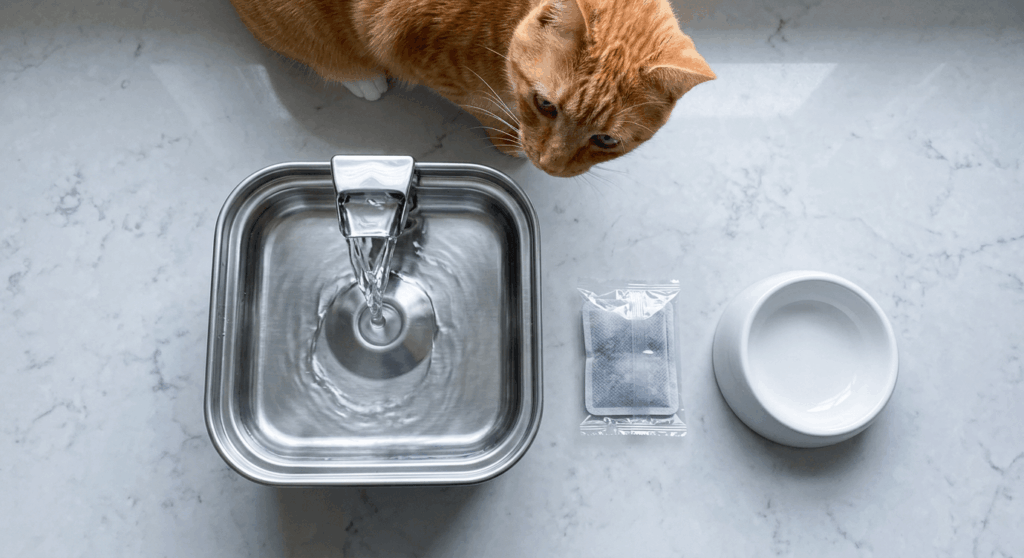
Most quality cat fountains include activated carbon filters that remove:
- Chlorine and chloramines from tap water
- Hair, debris, and food particles
- Odor compounds that make cats reject their water bowl
A cat’s nose is 14 times more sensitive than a human’s. What smells like “just water” to you may smell like a chemical soup to Oliver. A filtered fountain consistently provides water that passes your cat’s olfactory quality check.
3. Reduced Bacterial Biofilm Development
A static water bowl develops a slippery biofilm layer on its inner surface within hours — you’ve felt it. This biofilm is a community of bacteria, primarily Pseudomonas and Staphylococcus species, that thrive in still water environments.
Flowing water physically disrupts biofilm formation. Combined with regular filter changes, a fountain maintains significantly lower bacterial counts than a still bowl between cleanings.
4. Secondary Enrichment for Indoor Environments
This one surprised me when I first noticed it. Oliver will sometimes sit near his fountain without drinking — simply watching the water move, tracking the light patterns it creates, occasionally batting at the stream.
Beyond hydration, the gentle bubbling sound of a fountain serves as genuine auditory environmental enrichment for indoor cats living in quiet apartments, where sensory monotony is a real behavioral health concern: [The Small Apartment Cat Survival Guide: 7 Pillars of Indoor Enrichment].
Plastic vs. Stainless Steel: The Hygiene Factor Nobody Talks About
Not all fountains are equal, and this distinction matters more than most cat parents realize.
The Problem with Plastic Fountains
The majority of budget cat fountains — typically in the $20–$35 range — are made from BPA-containing or BPA-adjacent plastic compounds. Here’s what concerns me about plastic specifically:
- Micro-scratches accumulate on the inner surface with every cleaning, creating tiny grooves where bacteria colonize and become impossible to scrub out
- Plastic is porous at a microscopic level, meaning biofilm penetrates the material itself over time
- Feline acne — the small black chin pimples you may have noticed on your cat — is frequently linked to plastic bowl contact due to bacterial transfer
One of the most effective ways to treat chin acne is switching to non-porous materials. We reviewed the best cat water fountains stainless steel vs ceramic here.
- Some plastics leach chemicals into water, particularly when exposed to warm environments or UV light
Why Stainless Steel or Ceramic Wins
Stainless steel (304 food-grade) and glazed ceramic fountains offer:
- Non-porous surfaces that don’t harbor bacteria between cleanings
- No chemical leaching into the water supply
- Durability — a quality stainless or ceramic fountain can last 5–10 years versus 1–2 for plastic
- Easier sterilization — dishwasher-safe options allow proper high-temperature cleaning weekly
My recommendation, after testing three different units for Oliver: invest in a stainless steel fountain with a ceramic or stainless reservoir. The upfront cost is $50–$80, but it pays for itself in longevity and — far more importantly — in the health outcomes that come from consistently clean, filtered, flowing water.
Hydration Strategy: A Fountain Isn’t the Whole Answer
I want to be careful not to oversell the fountain as a magic solution, because it’s one component of a broader approach. A fountain works best when combined with:
- Wet food as a dietary staple — as I discussed in the feeding guide, wet food provides 70–80% moisture content per meal, which is the most efficient hydration delivery system available.
- Multiple water sources — cats prefer options; place a bowl in a different room from the fountain and one away from the food bowl (many cats dislike eating and drinking in the same spot).
- Daily cleaning — rinse the fountain bowl daily, clean the full unit weekly, and replace filters on the manufacturer’s schedule.
While a fountain is a powerful tool, it works best as part of a broader hydration strategy — which is why we previously outlined five vet-backed tricks to meaningfully increase your cat’s daily fluid intake: [How to Get an Indoor Cat to Drink More Water (5 Vet-Backed Tricks)].
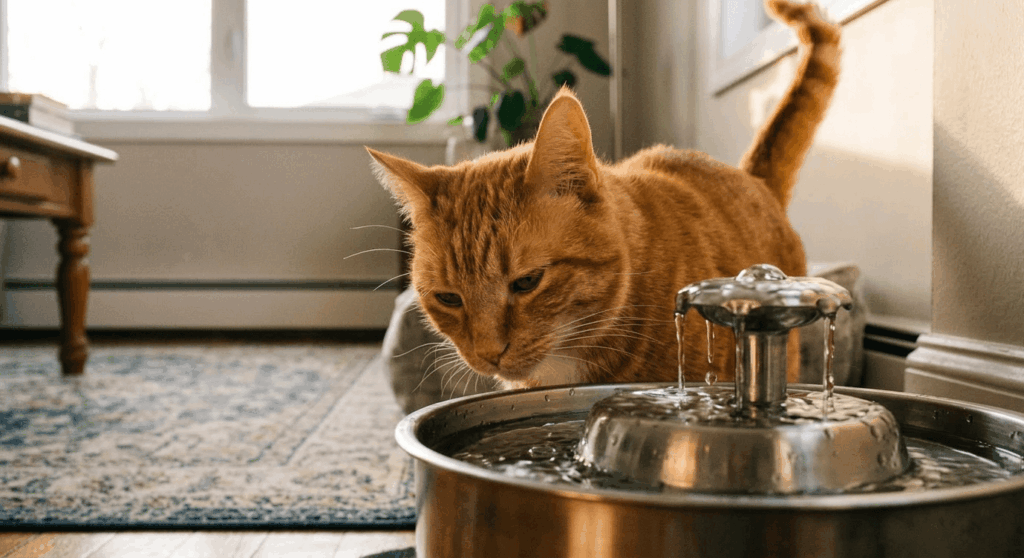
How to Maximize Your Cat Water Fountain Benefits at Home
If Oliver’s experience is any guide, don’t expect immediate adoption. Here’s what worked for us:
- Place the fountain where the old bowl was — familiar location reduces hesitation
- Run it for 48 hours before expecting use — cats investigate new objects on their own timeline
- Don’t remove the old bowl immediately — offer both options simultaneously for the first two weeks
- Check the flow rate — some cats prefer a gentle trickle; others like a stronger stream. Most quality fountains have adjustable pumps.
Oliver ignored his fountain for four days. On day five, I caught him drinking from it for a full forty seconds. By the end of week two, he had almost entirely abandoned his old bowl.
Frequently Asked Questions
What are the real cat water fountain benefits for cats who already drink from a bowl?
Even cats who appear to drink from a bowl regularly often consume less than their optimal daily intake from a static source. The full range of cat water fountain benefits — increased intake volume, fresher filtered water, reduced bacterial exposure, and evolutionary instinct activation — applies even to cats who aren’t visibly water-averse.
In many cases, owners only discover how dehydrated their cat was after switching to a fountain and observing the dramatic increase in drinking frequency. Prevention of urinary crystals and kidney stress doesn’t require your cat to be in crisis first.
Do cat water fountains use a lot of electricity?
Remarkably little. Most cat fountain pumps run on 2–5 watts, which is roughly comparable to a low-power LED night light. Running a 3-watt pump continuously for a full year costs approximately $2.50–$4.00 in electricity at average U.S. energy rates. The cost is essentially negligible compared to the potential veterinary savings from preventing a single FLUTD episode.
How often does a cat fountain actually need to be cleaned?
More often than the marketing suggests, honestly. My recommended schedule:
- Daily: Rinse the water reservoir and wipe the bowl area. Top up with fresh water.
- Weekly: Full disassembly, wash all parts with warm soapy water, rinse thoroughly, reassemble.
- Monthly: Replace the activated carbon filter. A spent filter becomes a bacterial trap.
- Quarterly: Inspect the pump impeller for mineral buildup and descale with diluted white vinegar.
Ultimately, the long-term cat water fountain benefits far outweigh the initial cost, keeping your cat hydrated, healthy, and safe from preventable vet bills.
References
- Westropp, J. L., & Buffington, C. A. T. (2004). Feline idiopathic cystitis: current understanding of pathophysiology and management. Veterinary Clinics of North America: Small Animal Practice.
- Buckley, C. M. F. et al. (2011). Effect of dietary water intake on urinary output, specific gravity and relative supersaturation for calcium oxalate and struvite in the cat. British Journal of Nutrition.
Disclaimer: This article reflects the personal experience of a cat owner and is informed by published veterinary research. It is not a substitute for individualized veterinary advice. If your cat is showing signs of urinary distress — straining, crying in the litter box, or blood in urine — contact your veterinarian immediately.