To help a cat drink more water, keep clean water easy to reach, offer a choice of locations, and consider moisture in an appropriate complete diet. Do not treat low bowl use as disobedience or remove an existing water source to force a new preference. Food moisture counts too.
Quick Answer
Start by checking the current bowls and diet. A cat eating wet food may visit a bowl less often than one eating dry food. Sudden increased thirst, reduced intake, weakness, vomiting, or urinary changes needs veterinary assessment, not just a new fountain. See Cornell’s hydration guidance.
Seven Practical Hydration Checks
1. Count food moisture as well as drinking
Write down the foods and amounts eaten before setting a bowl-water target. A wet meal and a dry meal do not contribute the same amount of water. Your veterinarian can advise on individual needs, particularly with an existing medical condition; do not make a cat drink a calculated quota.
2. Keep the familiar water source available
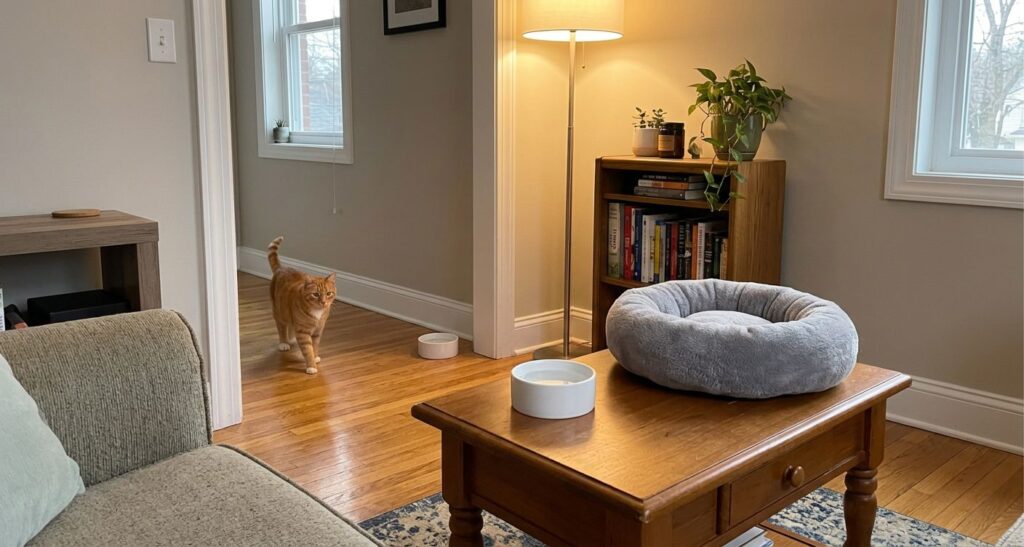
Add a trial bowl rather than abruptly moving the only one. This lets your cat choose and gives you a useful comparison. Label your notes by location so you know which bowl was used. Check access when bedroom or bathroom doors are closed.
3. Test a quiet, reachable location
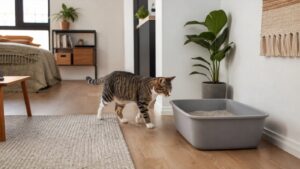
Try a stable spot away from litter, busy foot traffic, and places where another pet can block access. In a studio, physical separation can be modest but still provide a distinct approach route. Avoid precarious shelves or locations that require an uncomfortable jump.
4. Compare bowls without changing everything
Use a clean, stable bowl and check for damage, residue, or a strong cleaning smell. You can compare shape or material while leaving food and routine unchanged. Preference is individual; an expensive bowl does not establish adequate hydration.
5. Consider a fountain as an option
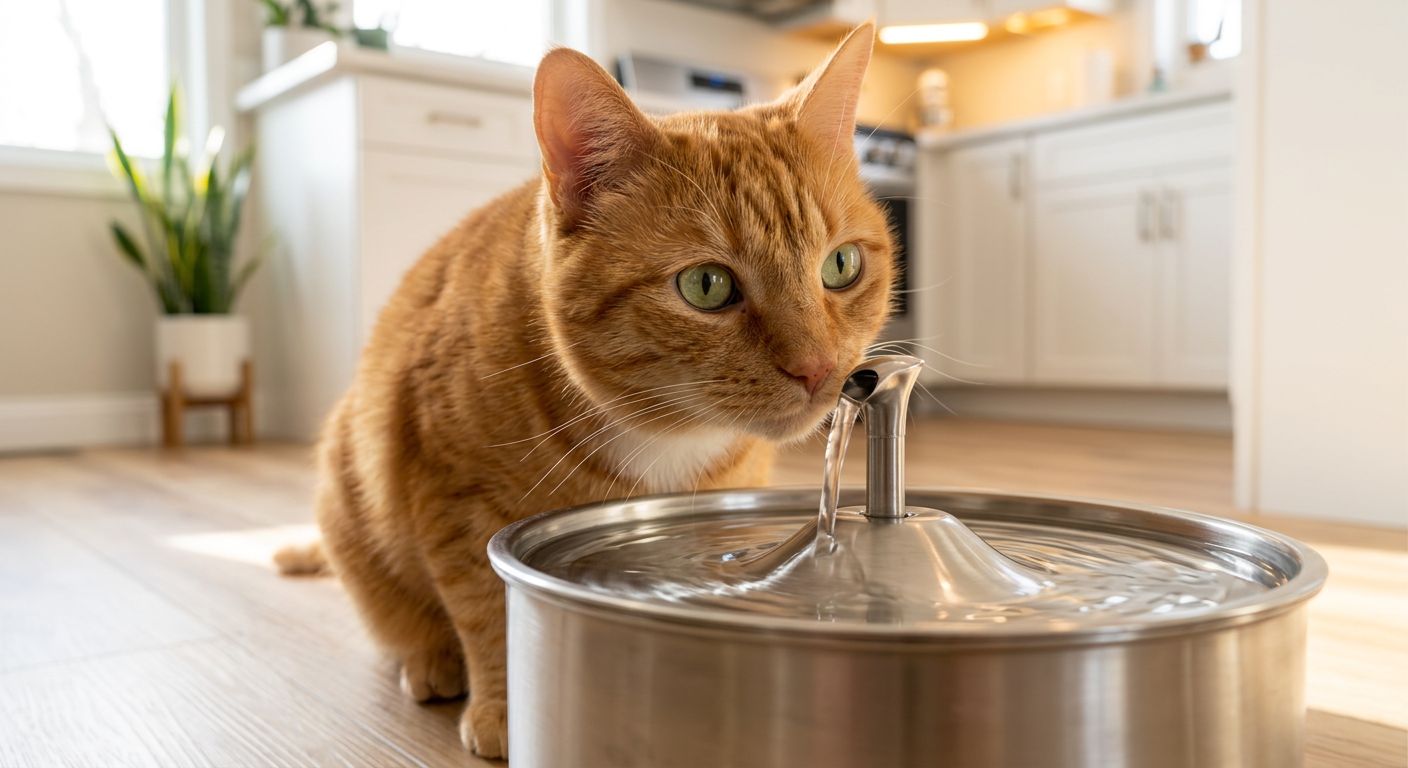
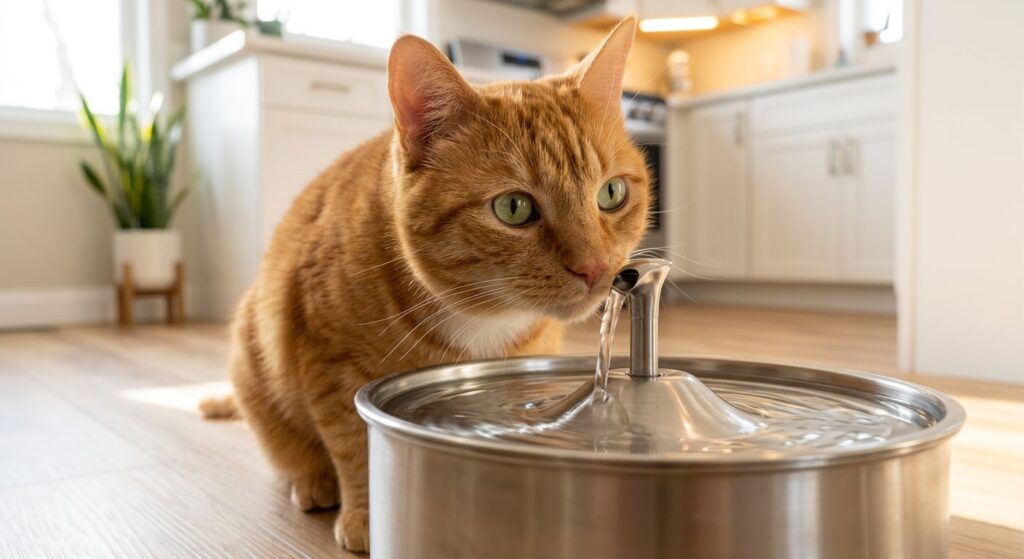
Some cats choose moving water; others do not. Keep a plain bowl available if you try a fountain. Check the pump, reservoir, cord placement, and cleaning instructions before making it part of the routine. A filter does not replace washing, and a running pump does not prove that the cat is drinking.
6. Discuss an appropriate wet-food option
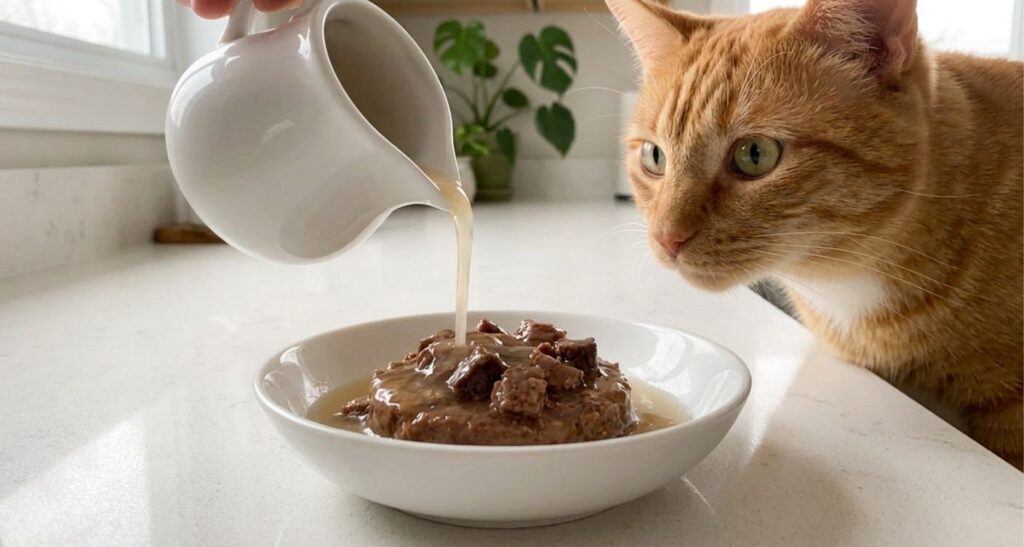
Wet food supplies dietary water. Choose a complete food suitable for the cat, not a broth or complementary treat as the whole diet. If a prescribed diet is involved, ask before changing it. Cornell’s feeding guide explains food types and nutritional adequacy.
7. Track the pattern without forcing intake
Record refills, spills, food changes, and whether other pets share the bowl. Bowl level alone is an imperfect measure. Do not restrict water or force oral fluids; if you suspect dehydration, contact your veterinarian rather than relying on a home experiment.
Choosing the First Change
| What you notice | A reasonable first check | Do not assume |
|---|---|---|
| Bowl untouched after wet meals | Review the diet and normal drinking pattern | That every cat needs the same bowl-water volume |
| Bowl beside a noisy appliance | Offer another quiet location | That refusing that spot is stubbornness |
| New fountain ignored | Leave a familiar bowl available | That withholding alternatives will train drinking |
| Thirst changes suddenly | Contact the veterinarian and describe the change | That more drinking is always an improvement |
Frequently Asked Questions
How much water should my cat drink?
Total need depends on the cat, food, and health. Food water and drinking water both contribute. Ask for an individualized target if monitoring is medically important; the purpose is adequate hydration, not maximizing bowl consumption.
Should I flavor the water?
Plain fresh water should remain available. Ask your veterinarian before adding flavorings, especially with a prescribed diet or illness. Do not assume a human broth or a “natural” additive is appropriate for cats, and do not replace normal meals with flavored water.
How quickly should a new bowl work?
There is no guaranteed adjustment period. Observe preference while preserving access to the old source. A cat who seems unwell or is not eating or drinking normally should not be left waiting for a bowl trial to work.
A Small-Apartment Tracking Example
A useful note might read: “Living-room bowl refilled; some water spilled on mat; bathroom door closed during work; wet breakfast eaten.” This does not measure precise intake, but it reveals access and measurement problems. In a multi-cat home, shared water levels cannot tell you how much each cat drank.
Related Apartment Guides
- cat water fountain benefits
- best cat water fountains
- wet food vs dry food for indoor cats
- indoor cat urinary health guide
Final Thoughts
Prioritize reliable access, cleanliness, diet suitability, and changes from your cat’s normal pattern. A fountain is optional; veterinary assessment is not optional when warning signs suggest illness. Never make drinking a reward-control exercise.