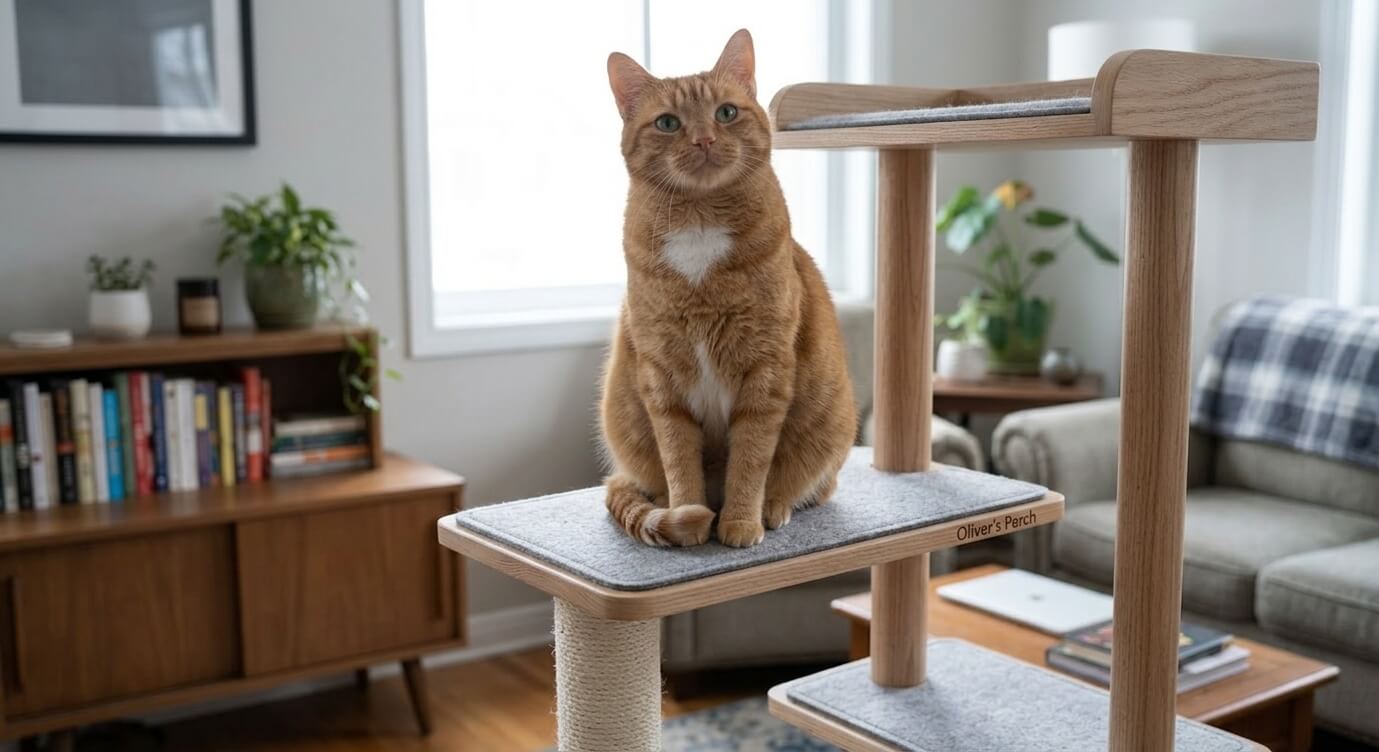
Best cat trees for small apartments should do one thing well: add vertical territory without stealing the floor space you actually live in.

When I first moved into my 500-square-foot studio, I made the classic rookie mistake. I bought the biggest beige carpeted cat tree I could find. It had three platforms, two condos, a dangling rope toy, and a footprint that swallowed a shocking amount of my living room. Oliver, naturally, ignored most of it.

That experience taught me that the best cat trees for small apartments are not just smaller versions of suburban cat trees. They need height over width, real stability, easy-to-clean materials, and platforms your cat can actually use without making your apartment feel cluttered.

This guide compares space-saving cat trees based on footprint, height, stability, materials, scratching surfaces, cleaning difficulty, and how well each design supports indoor cat enrichment in small apartments.


Disclosure: This article may contain affiliate links. If you buy through these links, Indoor Cat Expert may earn a commission at no extra cost to you. We only recommend products based on stability, apartment practicality, material quality, cleaning needs, and indoor cat behavior.

Quick Answer

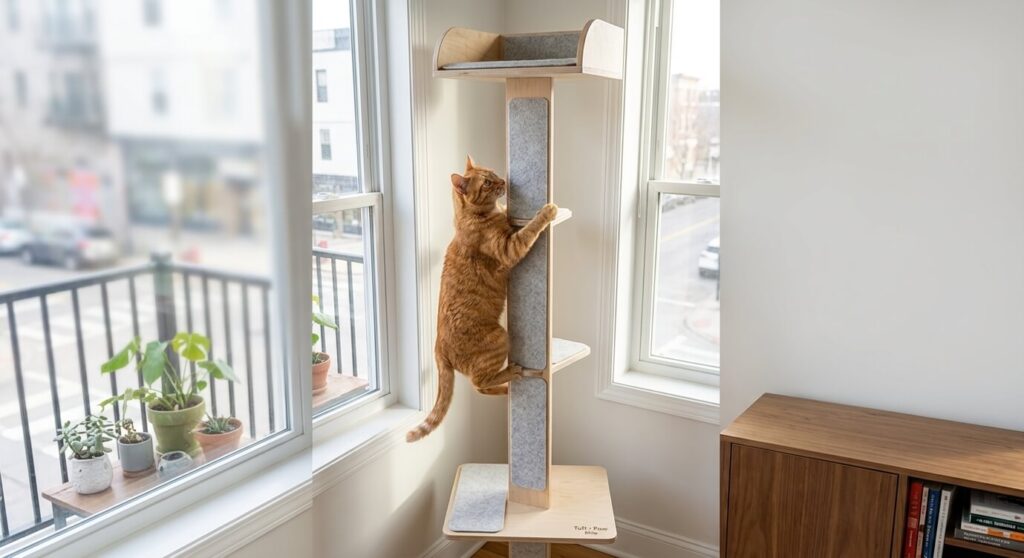
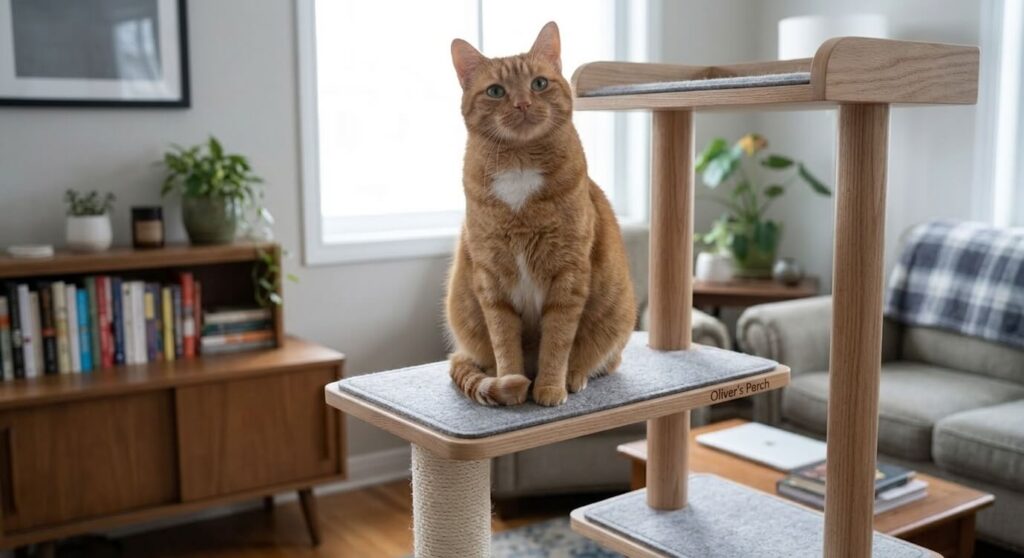
The best cat trees for small apartments are tall, narrow, stable, and easy to clean. Look for designs that use vertical space instead of wide floor bases, such as floor-to-ceiling tension poles, slim wooden towers, wall-mounted shelves, or corner cat trees.

For most apartments, a good cat tree should have a footprint under 24 by 24 inches, a weighted or tension-supported base, at least one high resting platform, and scratching surfaces your cat can stretch against fully.

For the full apartment setup plan, read our guide to indoor cat enrichment in small apartments before choosing a cat tree.


Why Vertical Space Matters in Small Apartments

Cats are hardwired to seek vertical territory. In the wild, elevated positions offer safety, observation points, and escape routes. In a small apartment, vertical space becomes even more critical because it:

  1. Expands perceived territory without expanding footprint
  2. Reduces stress by allowing cats to monitor their environment from above
  3. Provides exercise opportunities in confined spaces
  4. Creates separation between cats in multi-cat households

Adding a tall cat tree is the most effective way to expand your cat’s territory in a small apartment without losing valuable floor space—something I cover in depth in my guide to maximizing feline enrichment in compact living.For the full apartment enrichment plan, read our guide to indoor cat enrichment in small apartments.

The Behavioral Science Behind Vertical Territory

A 2016 study published in Applied Animal Behaviour Science found that cats with access to vertical space showed:

  • 30% less stress-related behavior (hiding, aggression, inappropriate elimination)
  • 40% more exploratory behavior
  • Significantly higher activity levels

In small apartments, where horizontal territory is limited, vertical space becomes the primary outlet for these natural behaviors.

The Floor Space Paradox

Here’s the counterintuitive truth: a tall, narrow cat tree takes up less functional space than a short, wide one.

A 6-foot-tall, 18-inch-wide tree occupies the same floor area as a 3-foot-tall, 3-foot-wide tree—but the tall version provides:

  • More climbing opportunities
  • Higher observation points
  • Better exercise potential
  • Less visual clutter

In my 500-square-foot apartment, I replaced my bulky beige tree with a 7-foot floor-to-ceiling model that takes up less than 2 square feet of floor space. Oliver uses it constantly. My living room feels larger, not smaller.


The Vet Tech’s Safety Checklist: Wobble-Tests and Materials

Not all cat trees are created equal. As someone who’s seen cats injured from tipping trees and poor landing surfaces, I evaluate every tree through a clinical safety lens.

The Wobble Test Protocol

Before I recommend any tree, I perform what I call the Vet Tech Wobble Test:

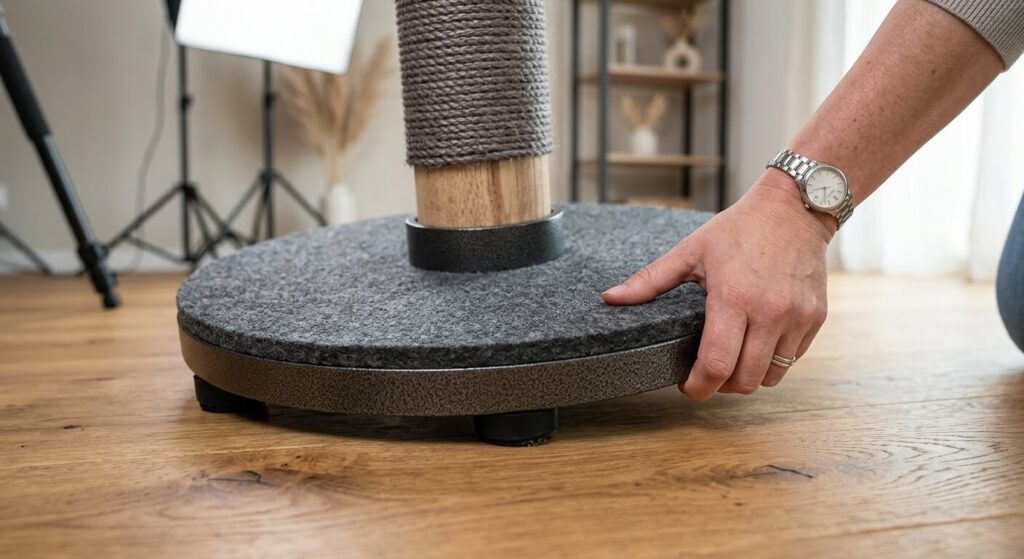
  1. Base push test: Push the base laterally with moderate force (about 15 lbs). A stable tree should not slide or tip.
  2. Top push test: Push the top platform laterally with the same force. The tree should flex slightly but not tip.
  3. Jump simulation: Apply a quick downward force on the top platform (simulating a cat landing). The tree should absorb the impact without wobbling excessively.
  4. Carpet test: If you have carpet, perform all tests on carpet. Many trees that are stable on hardwood wobble dangerously on carpet.

What to look for:

  • Weighted base: The base should be significantly heavier than the rest of the structure
  • Wide footprint: The base should extend beyond the vertical structure by at least 6 inches on all sides
  • Solid connection points: Platforms should be bolted, not glued or stapled
  • Non-slip feet: Rubber or silicone feet prevent sliding on hardwood

Material Safety and Durability

Solid wood is the gold standard for cat tree construction. It provides:

  • Structural integrity that particleboard can’t match
  • Weight that contributes to stability
  • Durability that withstands years of use

Avoid:

  • Particleboard or MDF (absorbs moisture, weakens over time)
  • Thin cardboard tubes (cats can puncture them)
  • Loose carpeting (traps hair, difficult to clean)

Fabric choices matter:

  • Tight-weave upholstery fabric: Durable and easy to clean
  • Faux fur: Soft but traps hair and odors
  • Sisal rope: Excellent for scratching but should be tightly wrapped

Joint-Friendly Landing Zones

Cats land with significant force—approximately 5-7 times their body weight on their front legs when jumping down from heights.

What to look for in landing surfaces:

  • Padded platforms: At least 1 inch of dense foam under fabric
  • Gradual step-downs: Platforms should be spaced no more than 18 inches apart
  • Non-slip surfaces: Textured fabric or rubber prevents slipping
  • Wide platforms: At least 12 inches in diameter for safe landing

For older cats, you must ensure the “step-down” distances aren’t too steep to prevent joint impact or falls—a critical consideration I explore in my guide to senior cat care. [Senior Indoor Cat Care: How to Keep Older Cats Happy and Healthy]


Cat Tree Comparison for Small Apartments

Cat Tree TypeBest ForMain StrengthWatch Out For
Floor-to-ceiling tension poleMaximum height with minimal floor spaceAdds vertical territory without a wide baseNeeds compatible ceiling height
Wall-mounted shelvesZero floor footprintBest for very small apartmentsRequires secure wall installation
Slim wooden towerMinimalist living roomsLooks more like furnitureCan be expensive
Corner cat treeUnused cornersUses awkward space efficientlyMay be less tall
Budget compact treeFirst-time cat ownersAffordable and easy to placeStability varies by model

If you want vertical space without floor furniture, see our guide to the best cat wall shelves.

Safety Note Before Buying

A cat tree for a small apartment should be stable before it is stylish. Avoid narrow towers that wobble, lightweight bases that tip, or platforms too small for your cat to turn around comfortably. Large cats, senior cats, kittens, and cats with mobility issues may need wider platforms, lower steps, and softer landing zones.

If your cat is older, overweight, recovering from injury, or hesitant to jump, choose a lower, sturdier design instead of the tallest option.

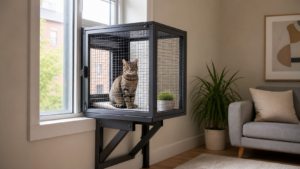
If your cat is more interested in watching outdoor movement than climbing, compare our best cat window perches as a lower-footprint alternative.

Top 5 Cat Trees for Small Apartments

The Floor-to-Ceiling Tension Pole: Tuft + Paw Milo

Price: $299 – $349

This is the tree that replaced my beige monstrosity, and it’s the one I recommend most frequently to small apartment owners.

Technical specifications:

  • Height: 7 feet (adjustable to ceiling height)
  • Base diameter: 18 inches
  • MaterialsSolid wood pole, weighted base (25 lbs), upholstery-grade fabric
  • Platforms: 3 (12″, 14″, 16″ diameter)
  • Stability: Floor-to-ceiling tension pole (no tipping possible)
  • Assembly: Tool-free, 15 minutes

The Milo is a masterclass in small-space design. The floor-to-ceiling tension system means zero tipping risk—the tree is literally braced between floor and ceiling. The weighted base adds additional stability, and the solid wood construction means it will last for years.

Oliver uses this tree multiple times daily. He climbs to the top platform to survey the apartment, naps on the middle platform, and scratches the sisal-wrapped section. The upholstery-grade fabric is easy to clean (I vacuum it weekly and spot-clean as needed).

Pros:

  • Floor-to-ceiling tension system eliminates tipping risk
  • Solid wood construction is extremely durable
  • Weighted base adds stability
  • Minimal floor footprint (18″ diameter)
  • Modern aesthetic blends with home decor
  • Easy to clean fabrics

Cons:

  • Premium price point
  • Limited platform variety (no condo or hiding space)
  • Requires ceiling height measurement before purchase
  • Some cats need encouragement to use the highest platform

Best for: Small apartments where stability is the top priority, owners who want a modern aesthetic, cats who love high perches


The Modern Plywood Tower: Catastrophic Creations Plywood Tree

Price: $249 – $299

For owners who want a tree that looks like furniture, not a cat accessory, this plywood design is a revelation.

Technical specifications:

  • Height: 5.5 feet
  • Footprint: 24″ × 18″
  • Materials: Baltic birch plywood, solid wood supports, carpet-free
  • Platforms: 4 (all 14″ × 14″)
  • Stability: Wide base with weighted bottom
  • Assembly: Required (30-45 minutes)

The plywood construction gives this tree a clean, modern look that blends seamlessly with contemporary interiors. The platforms are carpet-free, which makes cleaning much easier than traditional carpeted trees.

The wide base and weighted bottom provide excellent stability, and the solid wood supports ensure durability. Oliver particularly loves the top platform, which gives him a clear view of the entire apartment.

Pros:

  • Furniture-quality aesthetic
  • Carpet-free design is easy to clean
  • Wide base provides excellent stability
  • Solid wood supports are durable
  • Multiple platform heights for climbing
  • Neutral colors blend with any decor

Cons:

  • Assembly required (not tool-free)
  • No sisal scratching surfaces (would need to add separately)
  • Limited hiding spaces
  • Plywood may show scratches over time

Best for: Design-conscious owners, apartments with modern decor, cats who prefer open platforms over enclosed spaces


The Hidden/Modular Tree: Mau Pets The Hideout

Price: $199 – $249

This tree is for owners who want cat furniture that doesn’t look like cat furniture. The modular design allows you to configure it in multiple ways to fit your space.

Technical specifications:

  • Height: 5 feet (configurable)
  • Footprint: Varies (minimum 24″ × 18″)
  • MaterialsSolid wood frame, upholstery-grade fabric
  • Platforms: 3-5 (configurable)
  • Stability: Wide base with weighted components
  • Assembly: Required (20-30 minutes)

The Hideout consists of individual modules that can be arranged in different configurations. You can create a tall, narrow tree or a wider, shorter structure depending on your space. The upholstery-grade fabric comes in multiple colors to match your decor.

Oliver loves the enclosed “hideout” module, which gives him a cozy space to nap while still being elevated. The solid wood frame and weighted base provide excellent stability.

Pros:

  • Modular design fits any space
  • Doesn’t look like traditional cat furniture
  • Enclosed spaces for hiding/napping
  • Solid wood construction is durable
  • Multiple color options
  • Easy to reconfigure as needed

Cons:

  • Assembly required
  • Some configurations may be less stable than others
  • Limited scratching surfaces
  • Premium price for modular design

Best for: Owners who want cat furniture that blends with home decor, apartments with unusual layouts, cats who like enclosed spaces


The Wall-Mounted System: Catastrophic Creations Wall Tree

Price: $399 – $599 (varies by configuration)

For the ultimate in space-saving design, wall-mounted cat trees eliminate floor footprint entirely.

Technical specifications:

  • Height: Customizable (typically 6-8 feet)
  • Footprint: None (wall-mounted)
  • MaterialsSolid wood shelves, metal brackets
  • Platforms: 4-6 (customizable)
  • Stability: Wall-mounted with heavy-duty brackets
  • Assembly: Professional installation recommended

This system consists of individual wall-mounted shelves and platforms that you can arrange in any configuration. The solid wood shelves are sturdy and durable, and the wall-mounted design means zero floor space is used.

Oliver has a similar system in my apartment, and he uses it constantly. The shelves are spaced at perfect intervals for climbing, and the highest platform gives him an excellent view of the entire room.

Pros:

  • Zero floor footprint
  • Completely customizable layout
  • Solid wood shelves are durable
  • Modern aesthetic
  • Can be arranged to fit any space
  • Excellent for multi-cat households

Cons:

  • Requires wall mounting (not suitable for renters)
  • Professional installation recommended
  • Premium price point
  • Limited scratching surfaces (would need to add separately)

Best for: Homeowners with wall space, modern apartments, multi-cat households, owners who want zero floor clutter


The Budget-Friendly Minimalist: Frisco 72-in Cat Tree

Price: $89 – $129

For owners who want a minimalist tree without a premium price tag, this Frisco model offers excellent value.

Technical specifications:

  • Height: 6 feet
  • Footprint: 24″ × 24″
  • Materials: Engineered wood, carpet, sisal
  • Platforms: 4 (12″-16″ diameter)
  • Stability: Wide base with weighted bottom
  • Assembly: Required (45-60 minutes)

This tree offers the height and stability of more expensive models at a fraction of the price. The wide base and weighted bottom provide good stability, and the multiple platforms give cats plenty of climbing opportunities.

Oliver tested this tree for a month, and while it’s not as durable as the solid wood models, it’s an excellent budget option that still provides vertical territory.

Pros:

  • Affordable price point
  • Tall height for vertical territory
  • Wide base provides good stability
  • Multiple platforms for climbing
  • Sisal scratching surfaces included

Cons:

  • Engineered wood (less durable than solid wood)
  • Carpeted surfaces are harder to clean
  • Assembly can be challenging
  • May show wear faster than premium models

Best for: Budget-conscious owners, renters, cats who need vertical space but don’t require premium materials


Placement Hacks: Corners vs. Windows

Where you place your cat tree can make the difference between a tree that gets used constantly and one that gets ignored.

Corner Placement: The Stability Advantage

Placing your tree in a corner provides:

  • Two walls for additional stability (reduces wobble)
  • A natural climbing path (cats can jump from wall to tree)
  • Space efficiency (corners are often underutilized)

Best for:

  • Floor-to-ceiling tension pole trees
  • Trees with wide bases
  • Apartments with limited wall space

Window Placement: The Entertainment Factor

Placing your tree near a window provides:

  • Visual stimulation (birds, people, outdoor activity)
  • Sunlight for napping
  • Natural climbing motivation (cats love to watch outside)

Best for:

  • Trees with high perches
  • Apartments with good window views
  • Cats who spend time watching outside

Pro tip: If placing near a window, ensure the tree is stable enough that your cat can’t knock it over while jumping to or from the window sill.

If you don’t have floor space for a full tower, check our best cat window perches reviews for space-saving vertical solutions.

Once installed, you can use treats and pheromones to encourage your cat to use the high perches for territory monitoring—techniques I cover in my guide to training cats to use vertical space. [Best Cat Furniture for Small Apartments (Space-Saving Picks)]

For a broader room setup, read our guide to best cat furniture for small apartments so the cat tree fits with scratching, resting, window access, and floor-space needs.


FAQ

What is the most space-saving cat tree?

The most space-saving cat tree is a wall-mounted system, which eliminates floor footprint entirely. For floor-standing options, a floor-to-ceiling tension pole tree like the Tuft + Paw Milo offers the best combination of vertical territory and minimal floor space—typically occupying less than 2 square feet while providing 7 feet of climbing height. These designs prioritize height over width, making them ideal for the best cat trees for small apartments.

If even a slim cat tree is too much, the best cat wall shelves allow you to move the entire territory onto your walls.

How tall should a cat tree be for a small apartment?

For most small apartments, a cat tree between 5 and 7 feet tall gives better enrichment than a short, wide tree. Height matters because it creates observation points, climbing exercise, and territory without taking much floor space. Just make sure the base is stable or the tree is secured with a tension pole or wall anchor.

Are wall-mounted shelves better than cat trees?

Wall-mounted shelves can be better for very small apartments because they use no floor space. However, they require secure installation and may not work for renters who cannot drill into walls. A slim floor-to-ceiling cat tree is often the better compromise for renters.For renters who cannot drill into walls, a floor-to-ceiling tension tree may be easier. For owners who can install shelves safely, our best cat wall shelves guide compares wall-mounted options.

What kind of cat tree is best for a large cat in a small apartment?

Large cats need wider platforms, stronger posts, and a heavier base. Avoid tiny perches and lightweight trees that wobble. Look for solid wood, sisal-wrapped posts, platforms wide enough for your cat’s body, and a design that can be anchored or braced.

Are floor-to-ceiling cat trees safe?

Yes, floor-to-ceiling cat trees are extremely safe when properly installed. The tension pole system creates a structural brace between floor and ceiling, eliminating any tipping risk. Look for models with a weighted base for additional stability, and always follow the manufacturer’s installation instructions carefully. The key safety advantage is that these trees cannot tip over, even with vigorous climbing or jumping.

How do I stop my cat tree from wobbling on carpet?

To stop a cat tree from wobbling on carpet:

  1. Add a non-slip mat under the base (a rubber shelf liner works well)
  2. Increase the base weight by adding sandbags or weights to the base
  3. Adjust the feet if your tree has adjustable leveling feet
  4. Place it in a corner to use walls for additional stability
  5. Check for carpet bunching under the base that might create unevenness

For persistent wobble issues, consider a tree with a wider base or floor-to-ceiling tension system that isn’t affected by carpet.

Finding the best cat trees for small apartments is ultimately about balancing your cat’s wild instincts with your own need for a peaceful, uncluttered home.


Final Thoughts

The best cat tree for a small apartment is not the biggest one. It is the one that gives your cat height, stability, scratching space, and a comfortable resting spot without taking over the room.

Start with your apartment layout first. If you have floor space, choose a tall narrow tree. If floor space is scarce, consider wall shelves or a tension pole. If your cat is large, senior, or cautious, prioritize stability and platform size over height.


References

Share this post

Subscribe to our newsletter

Keep up with the latest blog posts by staying updated. No spamming: we promise.
By clicking Sign Up you’re confirming that you agree with our Terms and Conditions.

Related posts